
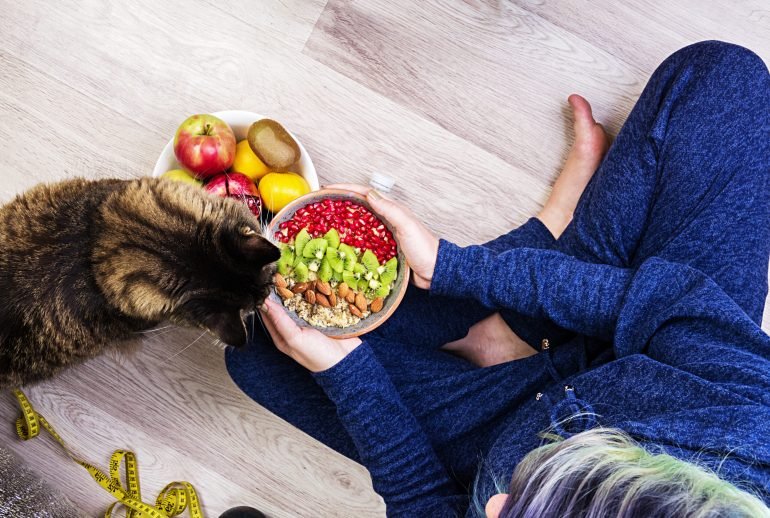
10 best fruits and vegetables for dogs is the ultimate checklist for pet owners looking to move beyond processed treats and improve their canine’s longevity through whole foods. At Pet Breeding Club, we advocate for a holistic approach to nutrition. While high-quality commercial dog food provides a balanced base, incorporating fresh produce can offer a boost of hydration, antioxidants, and fiber that dry kibble simply cannot match. However, the line between a “superfood” and a “toxic food” can be thin in the animal kingdom.
This extensive guide is designed to navigate that grocery aisle safely. We will explore the nutritional science behind fresh snacks, preparation methods to avoid choking hazards, and why moderation is the golden rule. Below, we break down the definitive list of the 10 best fruits and vegetables for dogs that you can share from your own kitchen.
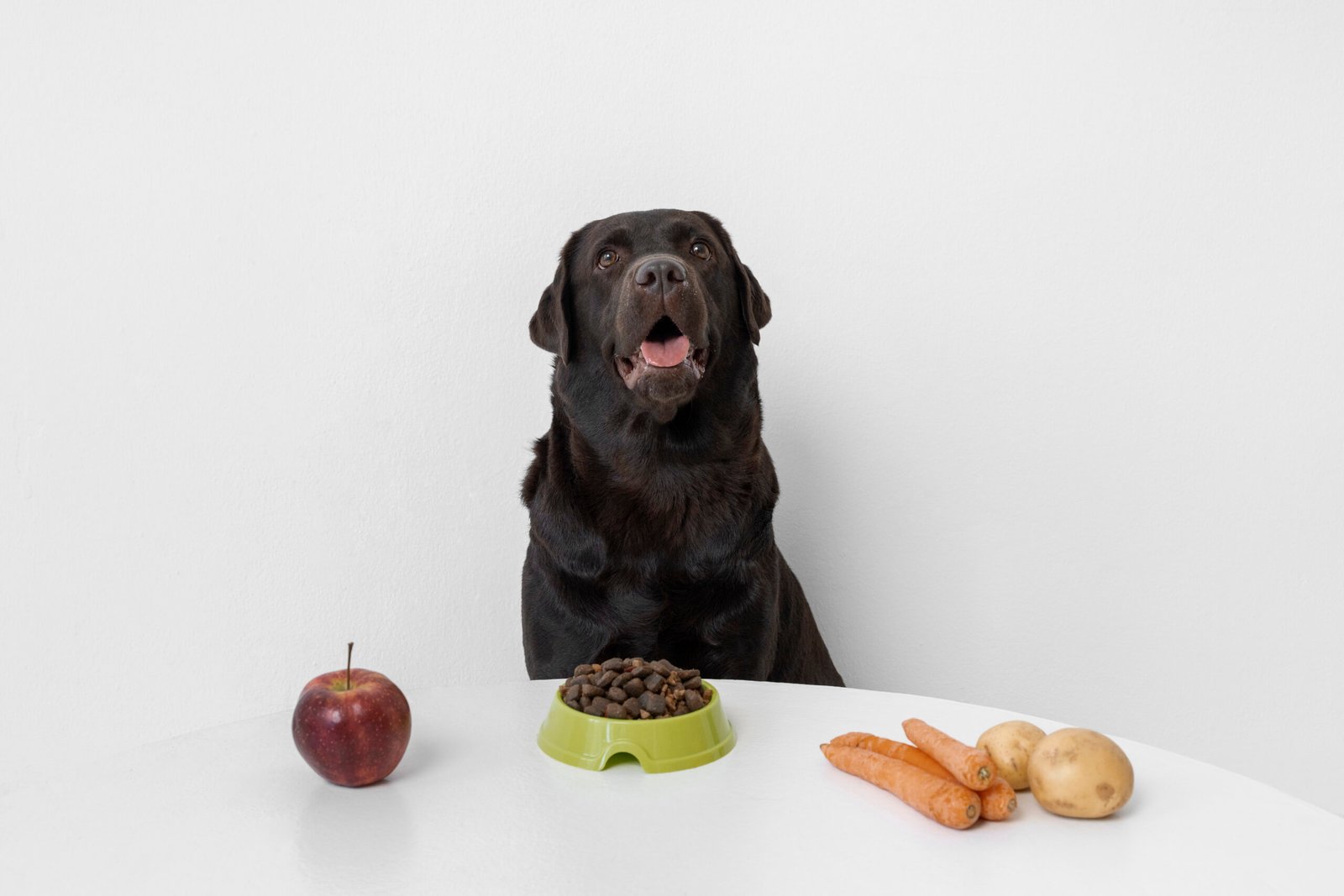
The Science of Canine Omnivory
Before diving into the specific items, we must understand the biological need. Unlike cats, which are obligate carnivores, dogs are facultative omnivores. This means that while meat is their primary drive, their digestive systems have evolved over thousands of years alongside humans to extract vital nutrients from plant matter.
When searching for the 10 best fruits and vegetables for dogs, we are looking for foods that provide low-calorie density but high nutrient density. Obesity is the leading health threat to modern pets. Replacing a fatty, processed bacon strip with a crunchy carrot or a slice of apple can significantly reduce caloric intake while satisfying the dog’s natural desire to chew and forage.
1. Carrots: The Crunchy Dental Aid
The first and perhaps most popular entry on our list of the 10 best fruits and vegetables for dogs is the humble carrot. Carrots are fantastic for several reasons.
-
Dental Health: The texture of a raw carrot is abrasive enough to help scrape plaque off the surface of the teeth, acting as a natural toothbrush.
-
Low Calorie: They are incredibly low in calories, making them the perfect training treat for puppies or weight-loss snack for seniors.
-
Nutrients: They are rich in Vitamin A (from beta-carotene), which is essential for eye health, immune function, and skin coat quality.
-
Serving Tip: For small dogs, chop them into bite-sized rounds to prevent choking. For teething puppies, a frozen carrot can soothe sore gums.
2. Blueberries: The Antioxidant Powerhouse
When nutritionists compile the 10 best fruits and vegetables for dogs, blueberries often take the top spot for “superfoods.”
-
Brain Health: Studies suggest that the antioxidants in blueberries can cross the blood-brain barrier, potentially protecting senior dogs from cognitive dysfunction and memory loss.
-
Size: Their small, soft nature makes them an instant, safe treat without the need for chopping.
-
Fiber: They contain a moderate amount of fiber which aids in gut motility without causing gas.
-
Serving Tip: These are excellent for training games. You can toss them for the dog to catch. They also freeze beautifully for a crunchy summer snack.
3. Pumpkin: The Digestion Savior
No list of the 10 best fruits and vegetables for dogs is complete without pumpkin. Note: We are talking about plain, pureed pumpkin, not sugary pie filling with spices.
-
The Regulator: Pumpkin is unique because it cures both diarrhea and constipation. The soluble fiber absorbs excess water in the gut (stopping the runs) while also creating bulk to help move things along (stopping constipation).
-
Weight Loss: Because it is bulky but low-calorie, you can replace a portion of your dog’s kibble with pumpkin to make them feel full while reducing overall calories.
-
Serving Tip: A tablespoon of canned pure pumpkin on top of dinner is often considered a high-value reward by most dogs.
4. Green Beans: The Filling Fitness Snack
For owners of breeds prone to obesity (like Labradors or Pugs), green beans are essential. They earn their place among the 10 best fruits and vegetables for dogs because they are essentially “free” calories.
-
Volume: You can feed a dog a bowl full of green beans, and they will feel satisfied, yet they have consumed very few calories.
-
Vitamins: They are loaded with Vitamin K, Vitamin C, and Manganese.
-
Serving Tip: Choose low-sodium or “no salt added” canned beans, or fresh raw beans. Avoid casseroles made with mushroom soup or onions, as those ingredients are toxic.
5. Apples: The Breath Freshener
Apples are a fantastic source of Vitamin A and C, as well as dietary fiber. They appear on the list of the 10 best fruits and vegetables for dogs because most dogs love the sweet taste and the satisfying crunch.
-
Hygiene: Like carrots, the mechanical action of chewing an apple slice helps clean residue off teeth and can help freshen “doggy breath.”
-
The Precaution: You must remove the core and the seeds. Apple seeds contain trace amounts of cyanide. While a few seeds won’t kill a Great Dane, they can be harmful to small dogs over time and create a choking hazard.
-
Serving Tip: Slice them thin and leave the skin on, as the skin holds much of the phytonutrients.
6. Sweet Potatoes: The Heart-Healthy Chew
Sweet potatoes are a staple in many high-end commercial dog foods for a reason. As one of the 10 best fruits and vegetables for dogs, they offer a safer alternative to rawhide chews.
-
Dehydrated Chews: If you slice sweet potatoes efficiently and dehydrate them, they become a chewy, rugged treat that occupies a dog for a long time.
-
Digestibility: Unlike white potatoes (which should be avoided if green/raw), cooked sweet potatoes are easily digestible and soothing to an upset stomach.
-
Nutrients: They are high in Vitamin B6, Vitamin C, and manganese.
-
Serving Tip: Never feed raw sweet potato as it can cause blockages. Always steam, bake, or dehydrate it.
7. Watermelon: The Hydration Hero
During the hot summer months, watermelon is arguably the most refreshing option among the 10 best fruits and vegetables for dogs.
-
Hydration: Watermelon is 92% water. Feeding this ensures your dog is getting extra fluids on hot days, preventing heatstroke and dehydration.
-
Vitamins: It is packed with potassium and Vitamin A.
-
The Precaution: You must remove the rind (which causes intestinal blockage) and the seeds. Even though white seeds are generally safe, stick to seedless varieties to be sure.
-
Serving Tip: Cut into cubes and freeze them for “watermelon ice cubes.”
8. Broccoli: The Cancer Fighter
Cruciferous vegetables like broccoli are powerful, but they come with a warning. They belong on the list of the 10 best fruits and vegetables for dogs due to their health benefits, but must be fed in moderation.
-
Anti-Cancer: Broccoli contains isothiocyanates, which are believed to prevent the growth of cancer cells.
-
The Warning: The florets contain a substance that can cause gastric irritation (gas) in dogs. If fed in massive quantities (over 25% of the diet), it can be toxic. However, as a snack (under 10%), it is brilliant.
-
Serving Tip: The stalks are nutritious and crunchy. Steaming the broccoli makes it easier to digest than raw.
9. Bananas: The High-Energy Reward
Bananas are the “energy bar” of the dog world. They are included in the 10 best fruits and vegetables for dogs because they are portable, biodegradable (no packaging needed), and widely available.
-
Potassium: They are extremely high in potassium, vitamins, and biotin, and low in cholesterol and sodium.
-
Sugar Content: Bananas have a high sugar content compared to veggies. They should be a “sometimes” treat, not a daily staple, to prevent weight gain or blood sugar spikes.
-
Serving Tip: Mash a bit of banana and stuff it inside a Kong toy, then freeze it. It acts as a great distraction toy.

10 best fruits and vegetables for dogs
10. Cucumbers: The Low-Calorie Crunch
Finally, rounding out our list of the 10 best fruits and vegetables for dogs is the cucumber.
-
Weight Management: Cucumbers have almost no carbohydrates, fats, or oils. They are perfect for diabetic dogs or those on a strict diet.
-
Nutrients: They are loaded with Vitamin K.
-
Hydration: Like watermelon, they have high water content.
-
Serving Tip: Slice them into rounds. They are a great alternative to biscuits for dogs that beg constantly, as you can feed several slices without guilt.
The “10% Rule” and Safety Measures
Now that we have established the 10 best fruits and vegetables for dogs, we must discuss how to feed them. Veterinarians universally recommend the “10% Rule.” Treats—including healthy fruits and veggies—should not make up more than 10% of your dog’s daily caloric intake. The other 90% must come from a nutritionally complete and balanced dog food.
Furthermore, preparation is key. Dogs do not chew their food as thoroughly as humans; they often “gulp.” Therefore, handing a dog a whole apple or a large carrot can be a choking hazard. Always chop food into pieces appropriate for your dog’s size.
Foods to Avoid (The Anti-List)
While discussing the 10 best fruits and vegetables for dogs, it is irresponsible not to mention the toxic counterparts. Never feed your dog:
-
Grapes and Raisins: Cause rapid kidney failure.
-
Onions and Garlic: Damage red blood cells (anemia).
-
Avocado: Contains persin, which can cause vomiting.
-
Cherries: The pits contain cyanide.
-
Mushrooms: Wild varieties can be fatal.
Integrating Fresh Food for Breeders
For the community at Pet Breeding Club, these foods are valuable tools for weaning puppies. Introducing varied textures and flavors early (like mashed pumpkin or soft bananas) can create adult dogs that are less picky eaters. However, always introduce new foods one at a time. This allows you to monitor for any allergic reactions or digestive upset. If you give a puppy strawberries, carrots, and beans all in one day and they get diarrhea, you won’t know which food caused it.
Conclusion
Incorporating fresh food into your pet’s diet is a rewarding experience. It bonds you with your animal and provides them with a variety of textures and flavors that dry kibble lacks. By sticking to this curated list of the 10 best fruits and vegetables for dogs, you are choosing safety and nutrition over empty calories.
Whether it is the dental benefits of a carrot, the hydration of a watermelon, or the digestive aid of a pumpkin, nature provides a pharmacy of preventatives in the form of produce. So next time you are making a salad or a fruit smoothie, cut an extra slice for the wet nose waiting patiently at your feet. It isn’t just a treat; it is an investment in their health.
Sources
-
American Kennel Club (AKC): Fruits and Vegetables Dogs Can or Can’t Eat.
-
ASPCA Poison Control: People Foods to Avoid Feeding Your Pets.
-
Veterinary Oral Health Council: Diet and Dental Health in Canines.
-
Journal of Animal Physiology and Animal Nutrition: Digestibility of plant-based ingredients in dogs.
-
PetMD: Nutrition and Healthy Snacks for Dogs.