

100 reasons why dogs are the best pets is not an exaggeration—it is a statistical fact supported by decades of psychological, sociological, and medical research. At Pet Breeding Club, we recognize that while all companion animals enrich our lives, the unique biological and historical bond between humans and Canis familiaris elevates the dog to a superior status among pets. Experts agree that the depth of loyalty, the complexity of communication, and the measurable health benefits provided by dogs are unparalleled.
This comprehensive guide, grounded in scientific consensus, explores the complete spectrum of benefits. If you are questioning canine companionship, reading through this list of 100 reasons why dogs are the best pets will provide the definitive answer.
Category 1: Measurable Health and Fitness Benefits (Reasons 1–20)
Any expert compiling a list of 100 reasons why dogs are the best pets must start with physical well-being. Dogs are proactive contributors to human health, unlike passive pets.
-
Cardiovascular Health: Dog owners consistently exhibit lower blood pressure and cholesterol levels.
-
Forced Routine Exercise: Dogs require walks, which prevents owners from becoming sedentary.
-
Weight Management: Dog owners are significantly less likely to be classified as obese.
-
Bone Density: Daily walking and jogging with a dog improves bone strength and reduces osteoporosis risk.
-
Reduced Risk of Heart Attack: Studies show dog owners have better survival rates following a cardiac event.
-
Stronger Immunity: Early life exposure to dog dander can boost children’s immune systems.
-
Allergy Mitigation: Children raised with dogs are less prone to developing certain allergies and asthma.
-
Natural Alarm System: Dogs alert owners to smoke, fire, or gas leaks, potentially saving lives.
-
Diabetes Alert: Trained dogs can smell the chemical change when a person’s blood sugar drops dangerously low.
-
Migraine Warning: Dogs can sense the subtle hormonal changes preceding a severe migraine attack.
-
Cancer Detection: Some dogs possess the olfactory capability to detect volatile organic compounds linked to certain cancers in breath or urine.
-
Improved Sleep Quality: The feeling of security provided by a nearby dog promotes deeper, more restful sleep.
-
Pain Reduction: Physical interaction (petting) increases oxytocin, which can act as a natural painkiller.
-
Sensory Stimulation: Petting a dog offers calming tactile input, beneficial for stress relief.
-
Vitamin D Synthesis: Daily walks ensure owners receive necessary sunlight exposure.
-
Lowered Cortisol Levels: Interacting with dogs decreases the primary stress hormone, cortisol.
-
Faster Recovery from Illness: The presence of a dog boosts mood and motivation during recuperation.
-
Mobility Assistance: Service dogs aid individuals with physical disabilities, preventing falls and ensuring independence.
-
Therapy for Arthritis: Light grooming tasks with a dog help maintain fine motor skills in seniors.
-
Outdoor Connection: Dogs force us out of the confines of our homes, connecting us to nature.

100 reasons why dogs are the best pets
Category 2: Emotional and Mental Superiority (Reasons 21–40)
The profound impact on human psychology is arguably the most powerful category in the 100 reasons why dogs are the best pets. Their emotional intelligence is unique.
-
Unconditional Love: Dogs offer non-judgmental affection regardless of wealth, appearance, or mood.
-
Enhanced Oxytocin Release: Mutual gazing between human and dog triggers a massive release of the bonding hormone.
-
Mitigation of Loneliness: A dog provides constant companionship, effectively combating social isolation.
-
Purpose and Responsibility: Caring for a dependent creature gives structure and meaning to life.
-
Depression Relief: Dogs counteract the lethargy and self-isolation associated with clinical depression.
-
Anxiety Reduction: The physical weight of a dog is grounding for those experiencing panic attacks.
-
PTSD Support: Service dogs provide crucial support for veterans, interrupting night terrors and providing emotional stability.
-
Improved Focus: Studies show that children with ADHD concentrate better when reading to a dog.
-
Emotional Anchors: Dogs read human emotion and react, validating the owner’s feelings.
-
Non-Verbal Communication: The subtle language of a wagging tail or an ear twitch enhances human empathy.
-
Life Coaching: Dogs live in the moment, teaching humans mindfulness and appreciation for simple joys.
-
A “Safe” Outlet: They listen without interruption or judgment, allowing owners to vent frustrations.
-
Endless Entertainment: Their goofy antics provide consistent, natural humor and laughter.
-
Reduced Social Phobia: Walking a dog acts as a “social lubricant,” making interaction easier.
-
Mirroring Happiness: Dogs reflect the joy and excitement of their owners, amplifying positive emotions.
-
Grief Support: Their presence provides quiet, steady comfort during times of loss.
-
Teaching Consistency: Effective training teaches owners the value of patience and consistent boundaries.
-
Increasing Self-Esteem: Training a dog successfully boosts the owner’s confidence in their ability to lead and nurture.
-
Sense of Security: Their protective nature reduces fear of intruders, particularly when home alone.
-
Mood Regulation: Just a few minutes of play with a dog can elevate mood and energy levels.
Category 3: Social and Lifestyle Integration (Reasons 41–60)
When examining 100 reasons why dogs are the best pets, we see that they act as active catalysts for human social interaction and improved life quality.
-
Social Magnetism: People are scientifically proven to be more approachable when accompanied by a dog.
-
Instant Community: Dog parks and training classes provide built-in social circles.
-
Ice Breakers: Dogs are the perfect non-awkward topic for starting conversations with strangers.
-
Travel Companions: Dogs are easier to take on trips and adventures than most other animals.
-
Best Alarm Clock: They ensure you wake up on time with reliable enthusiasm.
-
Housework Motivation: They inspire you to clean up immediately after accidents!
-
Personal Security: Walking a dog, regardless of size, deters casual harassment or crime.
-
Teaching Responsibility: Children learn vital life skills through feeding, grooming, and walking.
-
Promoting Empathy: Children who care for dogs score higher on measures of empathy.
-
Family Bonding: A family dog provides a shared focus and responsibility that unites members.
-
Encouraging Play: Dogs force adults to embrace playfulness, often lost in adulthood.
-
Easy Gift-Giving: It simplifies holiday shopping for family and friends!
-
Eco-Conscious Travel: Dogs motivate owners to explore local parks and trails, reducing car use.
-
Home Protection: Their sensitive hearing and territorial instinct make them unparalleled guards.
-
Breaking Bad Habits: They replace idle time with meaningful care tasks.
-
Weather Companions: Unlike other pets, they don’t mind joining you for a snow walk.
-
Source of Pride: Successfully training a well-behaved dog is deeply satisfying.
-
Connecting with Elders: Dogs are fantastic therapy visitors to nursing homes, bridging generations.
-
Low Tech Entertainment: Their needs are simple: ball and play, requiring no electronics.
-
Universal Appeal: Very few people actively dislike dogs, making them safe guests.
Category 4: Unique Intelligence and Trainability (Reasons 61–80)
The high cognitive function and trainability are critical elements when listing the 100 reasons why dogs are the best pets. No other animal species exhibits this level of working partnership with humans.
-
Language Comprehension: The average dog can understand over 165 words and commands.
-
Emotional Intelligence: They can distinguish between human facial expressions (happy vs. angry).
-
Scent Work Mastery: Their olfactory skills are used globally in search, rescue, and detection (drugs, bombs).
-
Working Partnership: They excel in complex roles like herding, tracking, and retrieving.
-
Adaptability: Dogs can thrive in almost any environment, from farm to penthouse.
-
Mirror Neurons: They can “catch” yawns and imitate behaviors, showing advanced social cognition.
-
Intuitive Learning: They learn quickly via positive reinforcement and clear boundaries.
-
Guide Work: They are highly successful at navigating complex urban environments for the visually impaired.
-
Alerting to Medical Crises: They can detect diabetic lows, seizures, and allergic reactions.
-
Assistance for Autism: They provide calming pressure and interrupt repetitive behaviors.
-
Complex Problem Solving: Breeds like Border Collies demonstrate exceptional strategic thinking.
-
Memory: Dogs can remember complex routes and long-term associations (e.g., the sound of a specific car).
-
Tool Use: Though primitive, some dogs learn to use objects to achieve a goal (e.g., pulling a rug).
-
Understanding Time: They can anticipate daily routines, proving a sense of time.
-
Easily Motivated: Their willingness to work for praise and treats simplifies training significantly.
-
Self-Correction: They respond well to feedback, unlike many more stubborn animals.
-
A Shared Language: Owners develop a unique communication shorthand with their dog.
-
Scent Tracking for Fun: Even simple scent games engage their minds powerfully.
-
Cognitive Reserve: Training keeps the dog’s mind active, preventing age-related cognitive decline.
-
Predictable Behavior: Compared to wild animals, dogs’ behavioral patterns are well-understood.
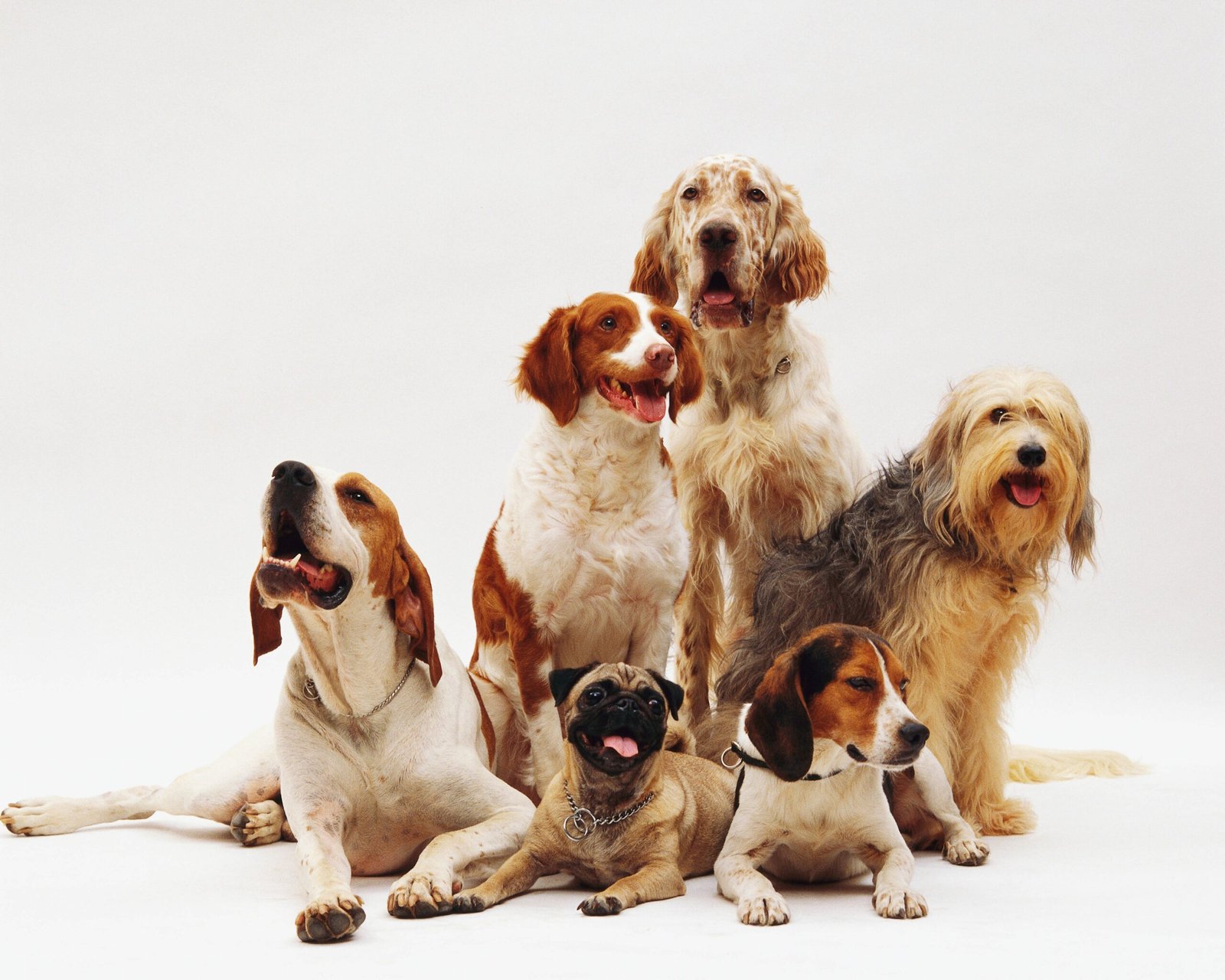
100 reasons why dogs are the best pets
Category 5: The Fun, Unique, and Final Reasons (Reasons 81–100)
Rounding out our examination of the 100 reasons why dogs are the best pets are the simple, joyful facts that make every day better.
-
Excited Greetings: No one will ever be as happy to see you as your dog.
-
“The Zoomies”: Their random bursts of energy provide pure, unadulterated comedy.
-
Warmth and Comfort: They make excellent, loving foot warmers on a cold night.
-
No Judgment: They don’t criticize your fashion choices or musical tastes.
-
The Head Tilt: The universal sign of confusion and cuteness.
-
Tail Wags: A simple, reliable barometer of happiness.
-
Inspirational Resilience: They teach us to overcome adversity with enthusiasm.
-
Perfect Travel Partners: They are always ready for an adventure, big or small.
-
They Keep Us Humble: Dogs remind us that a stick and a good walk are all we truly need.
-
The Snuggle Factor: The unique feeling of a dog curled up tight against you.
-
They Teach Forgiveness: They don’t hold grudges and remind us to forgive easily.
-
The “Guilty” Look: Even when they’re bad, they are adorably remorseful.
-
Diversity of Breeds: With hundreds of recognized breeds, there is a perfect match for every lifestyle.
-
They Help Us Meet Our Partners: Many successful relationships begin with a dog park encounter.
-
The Sound of Paws: The soft click of their nails on the floor makes a house feel like a home.
-
Shared Meals: They are happy to clean up any crumbs dropped on the floor.
-
They Force Play: They ensure you take necessary breaks from work and screens.
-
Loyalty Unto Death: Their devotion is legendary and unwavering.
-
They Provide a Legacy: Passing on the love for dogs to the next generation.
-
They Are Family: They cease to be pets and become irreplaceable members of the family unit.
Conclusion
The data is clear. Experts in medicine, psychology, and animal behavior overwhelmingly agree on the profound benefits of canine companionship. The compiled 100 reasons why dogs are the best pets underscore their unique ability to integrate into human society as guardians, helpers, therapists, and friends. Their capacity for unconditional love, combined with their unmatched trainability, firmly secures their status.
We hope this evidence-based breakdown of 100 reasons why dogs are the best pets inspires you to deepen your connection with your current dog or take the crucial step towards adoption. At Pet Breeding Club, we champion the relationship between humans and dogs, knowing that when you choose a dog, you choose a better life.
Sources
-
American Heart Association (AHA): Dog Ownership and Cardiovascular Health.
-
Psychology Today: The Science of the Snuggle: Oxytocin and Human-Dog Bond.
-
Centers for Disease Control and Prevention (CDC): Health Benefits of Dog Ownership.
-
Journal of the American Veterinary Medical Association (JAVMA): Canine Cognition and Intelligence.
-
National Institute of Mental Health (NIMH): Therapeutic Role of Companion Animals.