
100 types of dogs and their names is more than just a list; it is a testament to the incredible journey of evolution and selective breeding that has occurred over thousands of years. At Pet Breeding Club, we understand that behind every name lies a specific history, a unique temperament, and a distinct purpose. From the snowy peaks of the Himalayas to the royal courts of Europe, humans have shaped the canine genome to create the most diverse species on the planet.
Whether you are a prospective owner looking for the perfect fit or an enthusiast testing your knowledge, navigating the world of canine classification can be overwhelming. There are over 340 breeds recognized by the Fédération Cynologique Internationale (FCI), but for the purpose of this guide, we have curated the essential directory. This article explores the 100 types of dogs and their names that define the modern canine landscape, categorized to help you understand
the “why” behind the “who.”
The Evolution of Naming Conventions
Before we dive into the directory, it is important to understand how we arrived at a catalog of 100 types of dogs and their names. Originally, dogs were named purely by function. A “Shepherd” herded sheep; a “Retriever” brought back game; a “Terrier” (from the Latin terra) went into the earth to hunt pests.
As dog shows and kennel clubs emerged in the Victorian era, standardization became necessary. “Types” became “Breeds.” Physical standards were written down, and studbooks were closed. Today, when we look at 100 types of dogs and their names, we are looking at closed genetic pools that guarantee specific physical and behavioral traits.
The A-C: Alphas, Beasts, and Companions
The beginning of the alphabet features some of the most ancient and recognizable breeds. When compiling 100 types of dogs and their names, this section is dominated by powerful working dogs and beloved family pets.
-
Affenpinscher: The “Monkey Dog,” full of terrier spunk.
-
Afghan Hound: Elegance personified with a long, silky coat.
-
Airedale Terrier: The “King of Terriers.”
-
Akita: A Japanese national treasure known for loyalty.
-
Alaskan Malamute: A powerful Arctic sled puller.
-
American Bulldog: Muscular and athletic.
-
American Staffordshire Terrier: Strong, smart, and often misunderstood.
-
Anatolian Shepherd: A fierce livestock guardian.
-
Australian Cattle Dog: The energetic “Blue Heeler.”
-
Australian Shepherd: The cowboy’s favorite herder.
-
Basenji: The barkless dog from Africa.
-
Basset Hound: Famous for long ears and a sad face.
-
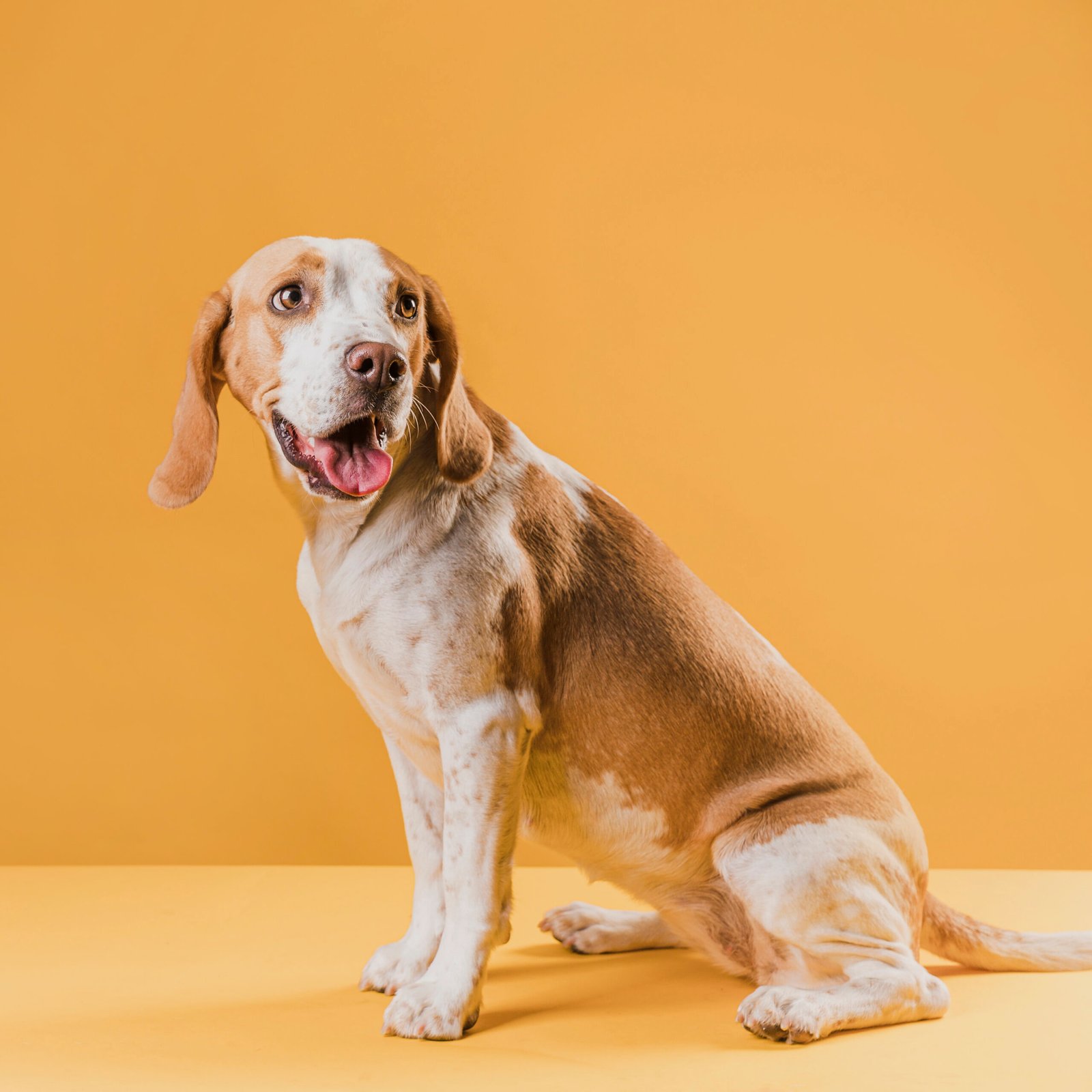
Beagle: The merry scent hound.
-
Belgian Malinois: The ultimate police and military worker.
-
Bernese Mountain Dog: A gentle giant from the Swiss Alps.
-
Bichon Frise: A white powder puff of cheerfulness.
-
Bloodhound: The nose that never forgets.
-
Border Collie: The workaholic genius.
-
Boston Terrier: The “American Gentleman.”
-
Boxer: Playful, bouncy, and protective.
-
Brittany: A versatile bird hunter.
-
Bull Terrier: Known for its egg-shaped head.
-
Bulldog: The sour-mugged symbol of tenacity.
-
Bullmastiff: The gamekeeper’s night dog.
-
Cairn Terrier: Toto from The Wizard of Oz.
-
Cane Corso: An Italian guardian of immense power.
-
Cavalier King Charles Spaniel: The ultimate lap dog.
-
Chihuahua: Tiny body, massive personality.
-
Chow Chow: The lion-dog with a blue tongue.
-
Cocker Spaniel: Sweet-natured and beautiful.
In this first cluster of 100 types of dogs and their names, we see the contrast between the tiny Chihuahua and the massive Cane Corso, proving that size is the most variable trait in the species.
The D-H: Diggers, Giants, and Hunters
Moving through the alphabet, the diversity continues. Any comprehensive list of 100 types of dogs and their names must include the specialized hunters and the gentle giants.
-
Dachshund: The “Wiener Dog,” bred to hunt badgers.
-
Dalmatian: The spotted coach dog.
-
Doberman Pinscher: The sleek, loyal protector.
-
Dogue de Bordeaux: The French Mastiff with the massive head.
-
English Setter: The gentleman of the bird dog world.
-
English Springer Spaniel: Energetic and eager to please.
-
French Bulldog: The current superstar of popularity.
-
German Shepherd: The all-purpose worker.
-
German Shorthaired Pointer: An athlete for the active family.
-
Giant Schnauzer: A commanding working dog.
-
Golden Retriever: The gold standard of family pets.
-
Great Dane: The “Apollo of Dogs.”
-
Great Pyrenees: The white guardian of the flocks.
-
Greyhound: The 45-mph couch potato.
-
Havanese: Cuba’s national dog and a Velcro companion.
The importance of accurate identification cannot be overstated. When a breeder or vet reviews 100 types of dogs and their names, they are also reviewing specific health predispositions. For example, the deep chests of the Great Dane and Doberman put them at risk for Bloat, a condition rarely seen in the Havanese.
The I-P: Intellect and Poodles
This section contains some of the most intelligent and distinct breeds. When memorizing 100 types of dogs and their names, the Poodle often stands out because it technically encompasses three size varieties (Standard, Miniature, Toy), all considered one breed.
-
Irish Setter: Flashy red coat and rollicking personality.
-
Irish Wolfhound: The tallest of all dogs.
-
Italian Greyhound: A miniature version of the racer.
-
Jack Russell Terrier: Boundless energy in a small package.
-
Japanese Chin: A cat-like companion of aristocracy.
-
Keeshond: The “Smiling Dutchman.”
-
Komondor: The dog with the corded “mop” coat.
-
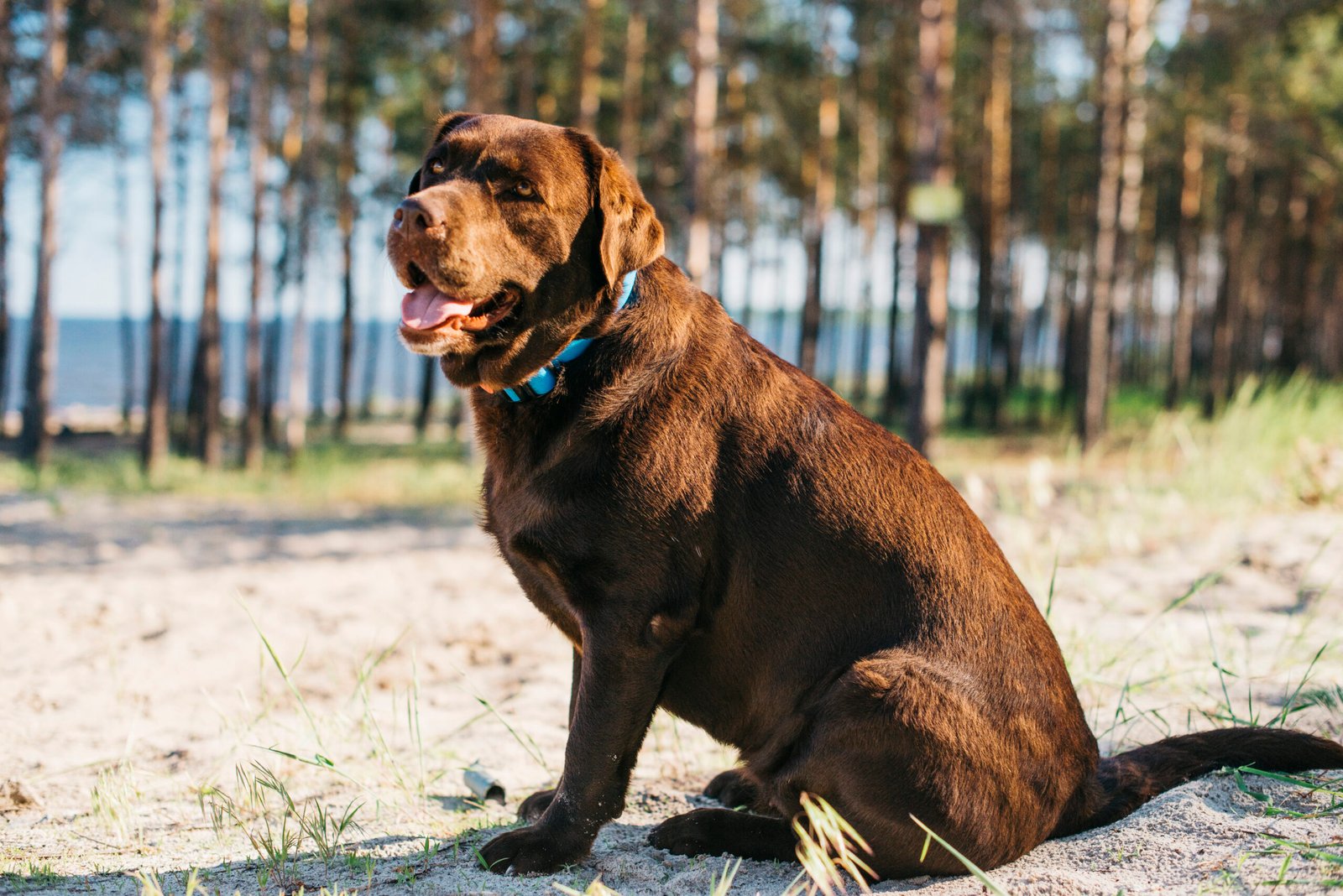
Labrador Retriever: America’s most popular dog for decades.
-
Leonberger: A lion-like mix of Newfie and St. Bernard.
-
Lhasa Apso: A Tibetan watchdog.
-
Maltese: Ancient, white, and fearless.
-
Mastiff (English): Massive mass and gentle temperament.
-
Miniature Pinscher: The “King of Toys” (not a mini Doberman).
-
Miniature Schnauzer: Smart, spirited, and bearded.
-
Newfoundland: The water-rescuing nanny dog.
-
Norwich Terrier: Small, hardy, and affectionate.
-
Old English Sheepdog: Famous for its shaggy coat.
-
Papillon: The butterfly-eared spaniel.
-
Pekingese: The imperial dog of China.
-
Pembroke Welsh Corgi: The Queen’s favorite herder.
-
Pit Bull (American Pit Bull Terrier): Strong, athletic, and loving.
-
Pointer: The ultimate bird finder.
-
Pomeranian: A ball of fluff with a big bark.
-
Poodle: One of the smartest breeds in existence.
-
Pug: The comedian of the dog world.
Analyzing 100 types of dogs and their names reveals geographic trends. The “Pekingese” and “Pug” hail from Asia, while the “Pointer” and “Setter” have European roots. Understanding these origins helps predict heat tolerance and exercise needs.
The R-S: Runners, Rescuers, and Shepherds
This section of our directory of 100 types of dogs and their names is heavy on working capability. These dogs were bred to have jobs, and they still require mental stimulation today.
-
Rat Terrier: A farm dog par excellence.
-
Rhodesian Ridgeback: The African Lion Dog.
-
Rottweiler: A confident guardian.
-
Saint Bernard: The savior of the Swiss Alps.
-
Saluki: One of the oldest breeds known to man.
-
Samoyed: The smiling sled dog with the white coat.
-
Schipperke: The Belgian barge dog.
-
Scottish Terrier: The “Diehard” with a distinct silhouette.
-
Shar-Pei: Famous for wrinkles and a blue-black tongue.
-
Shetland Sheepdog: The “Sheltie,” a bright and vocal herder.
-
Shiba Inu: Independent and fox-like.
-
Shih Tzu: The “Lion Dog” bred for palaces.
-
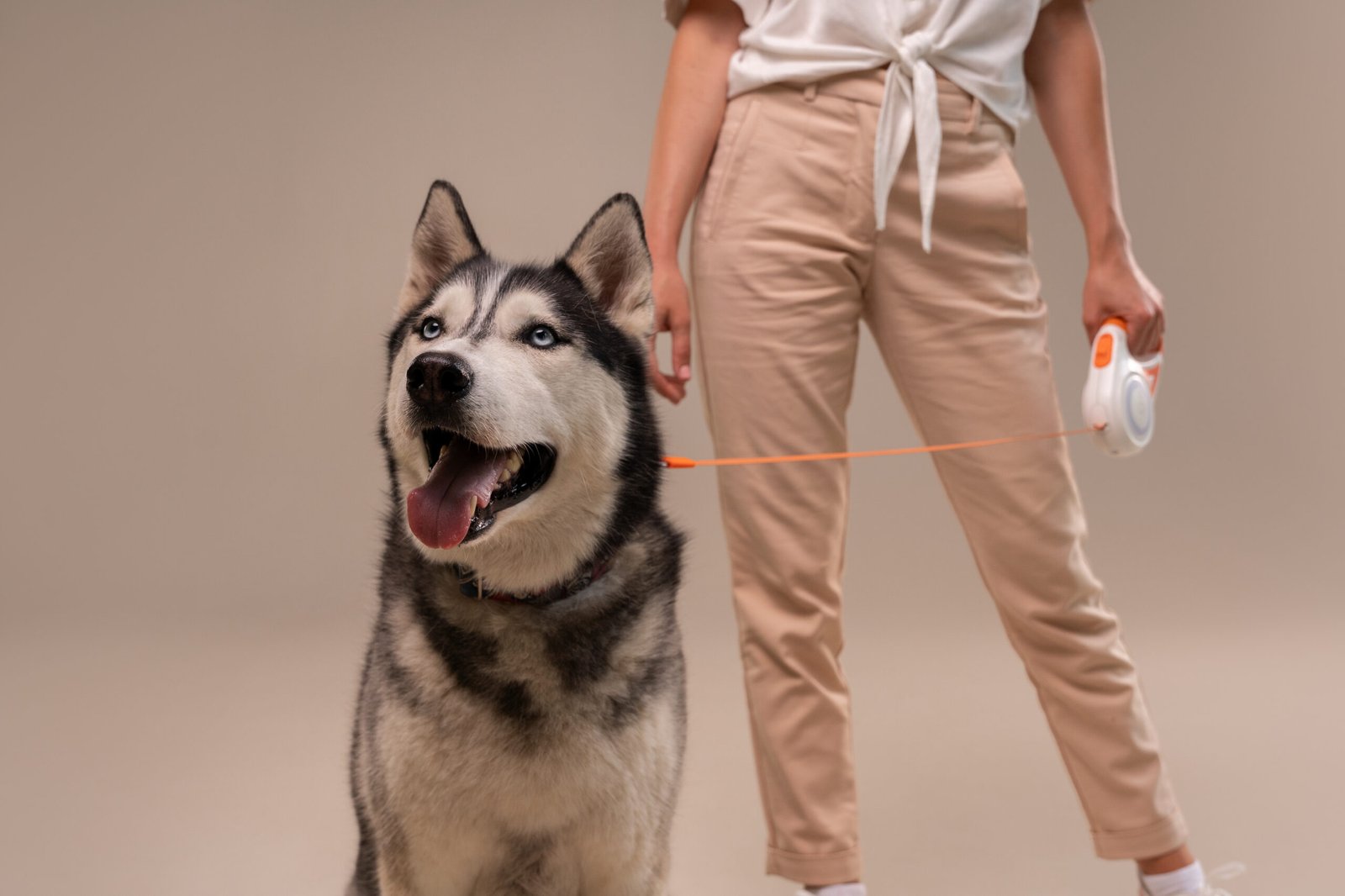
Siberian Husky: An endurance runner who loves to talk.
-
Soft Coated Wheaten Terrier: The “Irish Poor Man’s Wolfhound.”
-
Staffordshire Bull Terrier: The “Nanny Dog.”
As we near the end of the list of 100 types of dogs and their names, notice the prevalence of “Sheepdogs” and “Terriers.” These suffixes are functional descriptors. A Schnauzer is a ratter; a Setter is a gun dog. The name is the resume.
The T-Z: Terriers to Zen Masters
The final stretch of our guide to 100 types of dogs and their names includes some rare gems and highly specialized breeds.
-
Tibetan Mastiff: A primitive guardian of the Himalayas.
-
Toy Fox Terrier: A circus performer and ratter.
-
Vizsla: The Hungarian “Velcro” hunting dog.
-
Weimaraner: The “Gray Ghost.”
-
Welsh Terrier: A sturdy, medium-sized terrier.
-
West Highland White Terrier: The “Westie,” full of self-esteem.
-
Whippet: The poor man’s racehorse.
-
Wirehaired Pointing Griffon: The supreme gundog.
-
Xoloitzcuintli: The Mexican Hairless dog.
-
Yorkshire Terrier: A ratter turned purse-dog.
-
Alapaha Blue Blood Bulldog: A rare American catch dog.
-
Barbet: A French water dog.
-
Boerboel: The South African farm guardian.
-
Dogo Argentino: A pack-hunting guardian.
-
Lagotto Romagnolo: The truffle hunter of Italy.
The Importance of Categorization
Why do we bother listing 100 types of dogs and their names? Because classification saves lives. Knowing that a Greyhound is a sighthound tells a veterinarian that they metabolize anesthesia differently than a Labrador. Knowing that a Border Collie is a herder tells an owner that the dog isn’t “aggressive” when it nips at children’s heels—it is just trying to herd them.
When browsing through 100 types of dogs and their names, you will notice the American Kennel Club (AKC) organizes them into seven groups: Sporting, Hound, Working, Terrier, Toy, Non-Sporting, and Herding. This grouping is a shortcut to understanding temperament. If you want a jogging partner, look at the Sporting group. If you want a lap warmer, look at the Toy group.
Mixed Breeds: The “Doodles” and “Poos”
In recent decades, a new layer has been added to the list of 100 types of dogs and their names: the hybrids. While not recognized as purebreds by major kennel clubs, names like “Goldendoodle,” “Labradoodle,” “Cockapoo,” and “Puggle” have become household terms.
At Pet Breeding Club, we recognize that while these dogs are popular, they do not possess the predictability of the purebreds listed above. A Goldendoodle might have the coat of a Poodle or the coat of a Retriever; you cannot be sure. However, their inclusion in the cultural lexicon is undeniable.
Choosing the Right Name for Your Lifestyle
Reviewing 100 types of dogs and their names can be dangerous if you choose based on the coolness of the name or the look of the dog rather than the fit.
-
The Active Family: Needs a Retriever, Pointer, or Shepherd.
-
The Apartment Dweller: Needs a Frenchie, Pug, or Cavalier.
-
The Allergy Sufferer: Needs a Poodle, Bichon, or Schnauzer.
Do not let the grandeur of a name like “Great Pyrenees” tempt you if you live in a studio apartment in a hot climate. The name implies the mountain environment they were built for.
Conclusion
The domestic dog is a biological masterpiece. From the tiny Chihuahua to the towering Irish Wolfhound, they are all the same species, yet they represent a diversity unmatched in the animal kingdom.
This directory of 100 types of dogs and their names is a starting point. Each name on this list represents a community of breeders, a history of work, and a distinct personality. At Pet Breeding Club, we encourage you to dig deeper. Click on the names that intrigue you, research their specific needs, and respect the heritage they carry. Whether you own a #13 Beagle or a #94 Xoloitzcuintli, understanding the lineage of your dog deepens the bond you share.
Sources
-
American Kennel Club (AKC): Complete Breed List and Standards.
-
Fédération Cynologique Internationale (FCI): Nomenclature of Breeds.
-
The Kennel Club (UK): A-Z Breed Standards.
-
Encyclopedia Britannica: List of Dog Breeds and Origins.
-
Pet Breeding Club Archives: Genetics and History of Working Dogs.