
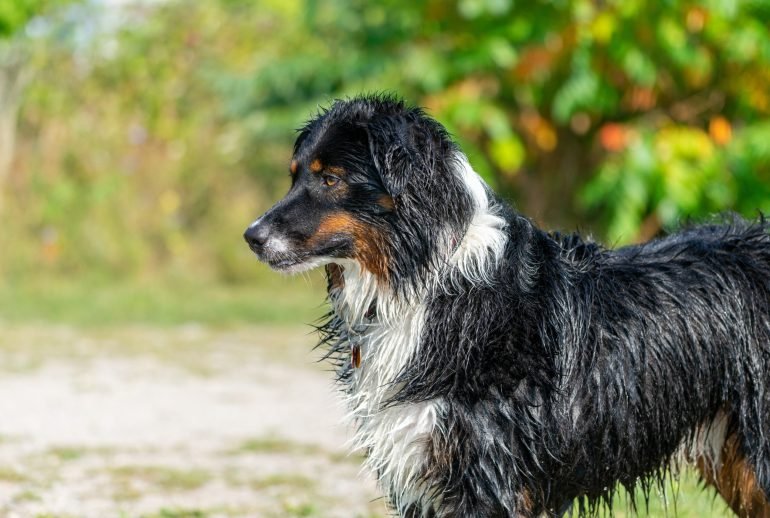
20 largest dog breeds is a search term that often leads dog lovers down a rabbit hole of awe-inspiring photos and historical legends. At Pet Breeding Club, we know that there is something undeniably majestic about a dog that can look a human in the eye while standing on its hind legs. These “giant” breeds are more than just massive animals; they are feats of biological engineering, bred over centuries to guard estates, hunt big game, pull heavy carts, and rescue travelers from freezing conditions.
However, inviting a giant into your home is a decision that requires serious preparation. Everything is bigger with these dogs: the food bill, the veterinary costs, the vehicle requirements, and the amount of love they give. In this extensive guide, we will explore the 20 largest dog breeds known to man, categorizing them by their history and purpose, and offering essential advice on how to care for these gentle (and sometimes not-so-gentle) giants.
The True Meaning of “Giant”
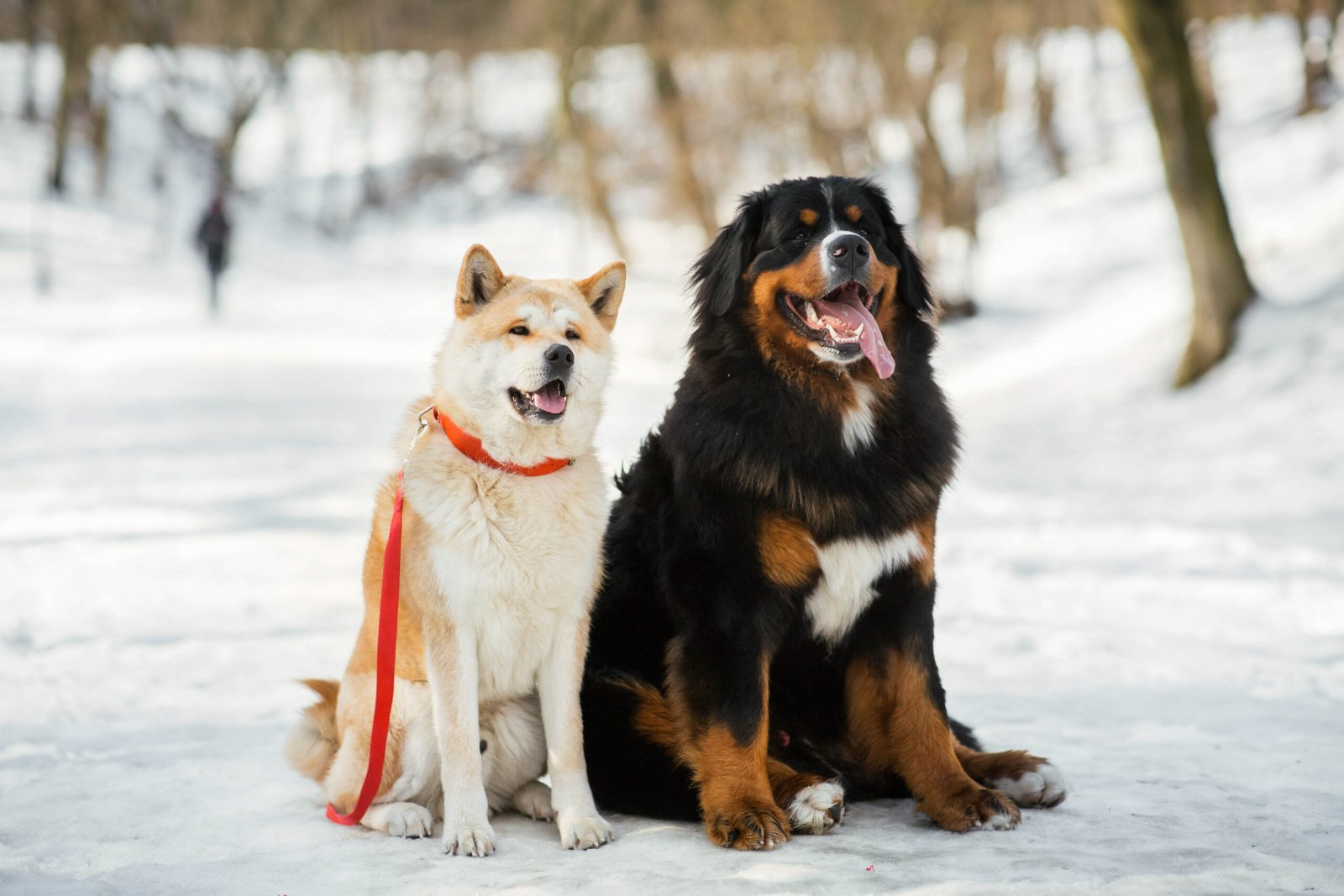
When we discuss the 20 largest dog breeds, we are generally referring to dogs that weigh over 100 pounds (45 kg) and stand over 26 inches at the shoulder. But size isn’t just about height; it is about mass. A Great Dane is tall, but an English Mastiff is a fortress of muscle and bone.
Owning a giant breed is a lifestyle. These dogs mature slower than smaller breeds, often not reaching full physical and mental maturity until they are three years old. Their joints are under immense pressure, and their lifespans are tragically shorter, often averaging 8 to 10 years. Understanding these trade-offs is crucial before falling in love with a puppy that will eventually weigh as much as a fully grown adult human.
The Heavyweights: Mass and Muscle
The first category in our list of the 20 largest dog breeds features the dogs that hold records for sheer weight and substance.
1. The English Mastiff
The undisputed king of mass. An English Mastiff named Zorba holds the Guinness World Record for the heaviest dog ever, weighing in at 343 pounds. These dogs are ancient, descending from the Molosser dogs of Rome. Despite their imposing size, they are classic “velcro dogs,” preferring to lean against their owners and drool affectionately. They require early socialization to manage their protective instincts.
2. The Saint Bernard
Famous for their role as alpine rescuers in Switzerland, the St. Bernard is a massive, powerful dog with a heart of gold. They can weigh up to 180 pounds. Their thick coats and gentle temperaments make them excellent family dogs, though their drool is legendary.
3. The Newfoundland
Ideally suited for water, the “Newfie” is a swimmer without equal. They have webbed feet and a water-resistant coat. Historically used to haul nets for fishermen, they are strong enough to save a drowning man. They are widely considered one of the gentlest options among the 20 largest dog breeds, often called “nanny dogs” for their patience with children.
4. The Boerboel
Originating from South Africa, this mastiff breed was created to protect remote farms from leopards and baboons. They are muscular, blocky, and agile. Unlike the Newfie, the Boerboel is a serious guardian that requires an experienced handler. They are confident and territorial.
5. The Dogue de Bordeaux
Also known as the French Mastiff, this breed gained fame from the movie Turner & Hooch. They have the largest head-to-body ratio of any dog breed. They are affectionate with family but fearless guardians. Their short faces (brachycephalic) mean they can overheat easily.
The Sky-Scrapers: Height and Elegance
Height brings a different set of challenges and beauty. These members of the 20 largest dog breeds list are often sighthounds or specialized hunters.
6. The Great Dane
Often called the “Apollo of Dogs,” the Great Dane holds the record for the tallest dog. A Dane named Zeus stood 44 inches at the shoulder. Originally bred to hunt wild boar, modern Danes are couch potatoes who believe they are lap dogs. They are elegant but require soft bedding to prevent calluses and joint pain.
7. The Irish Wolfhound
These are the tallest of the sighthounds, bred to hunt wolves in Ireland. They are rough-coated, wiry, and incredibly fast for their size. Despite their history as lethal hunters, they are calm and dignified indoors. When compiling the 20 largest dog breeds, the Wolfhound is often cited as the most gentle giant.
8. The Scottish Deerhound
Similar in appearance to the Wolfhound but leaner, the Deerhound was the dog of the Scottish nobility. They require room to run (sprinting is their joy) but are generally lazy indoors. They have a “greyhound” physique scaled up to giant proportions.
The Livestock Guardians: Fearless Protectors
A significant portion of the 20 largest dog breeds consists of Livestock Guardian Dogs (LGDs). These dogs were not bred to herd sheep, but to live among them and kill wolves or bears that threatened the flock.
9. The Anatolian Shepherd (Kangal)
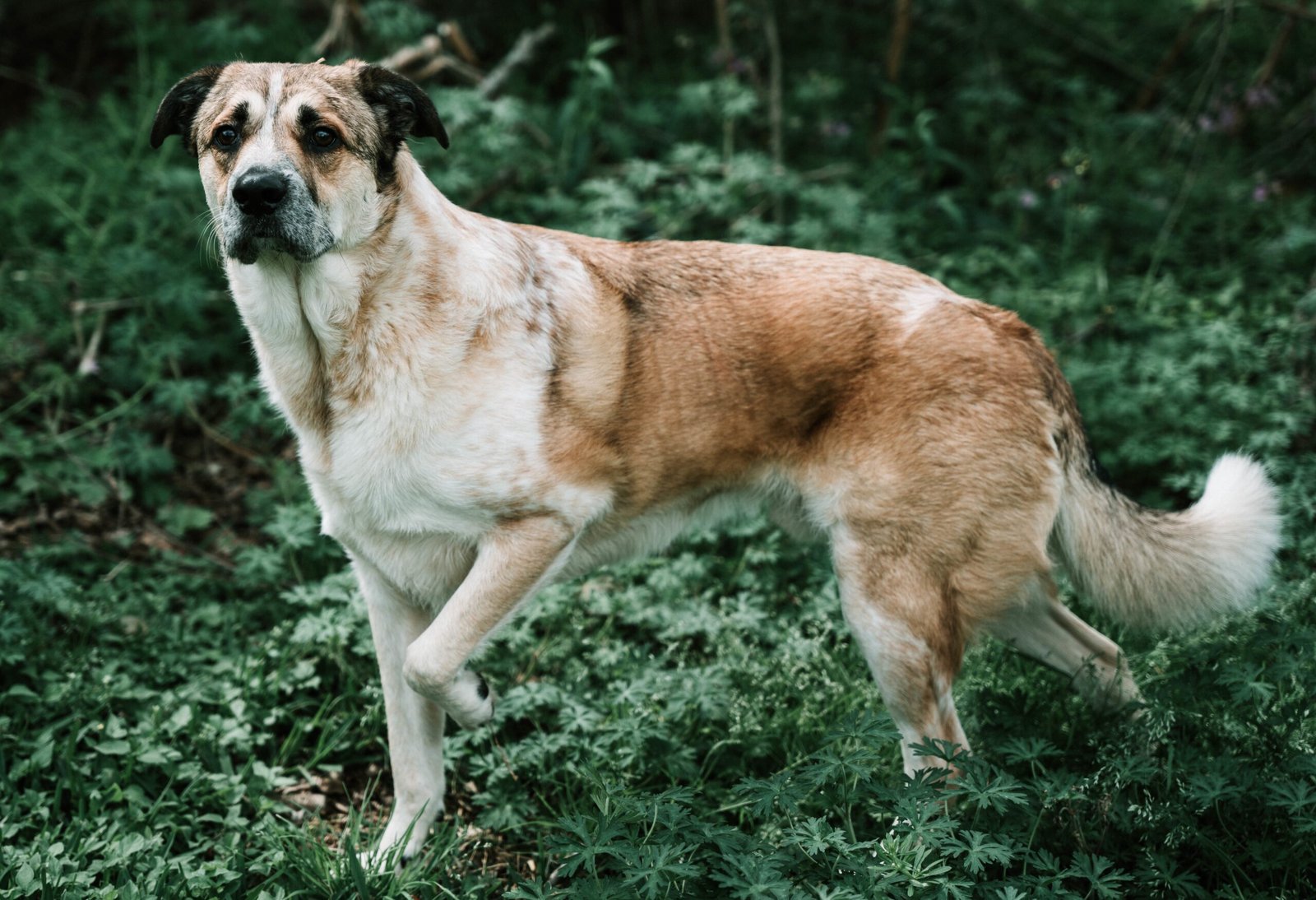
This Turkish breed possesses the strongest bite force of any dog breed (over 700 PSI). They are independent thinkers, bred to make decisions without human guidance. They are not pets in the traditional sense; they are workers who need a job and a perimeter to patrol.
10. The Great Pyrenees
The white, fluffy giant of the mountains. They are nocturnal by nature, barking at night to ward off predators. They are calm and patient but possess a stubborn independent streak. Their thick double coats require significant grooming maintenance.
11. The Caucasian Shepherd (Ovcharka)
One of the most formidable dogs on earth. Bred in the Caucasus mountains to fight off bears, they are massive, aggressive towards threats, and intensely loyal. This is not a dog for a first-time owner or a casual suburban environment. They represent the extreme end of the 20 largest dog breeds spectrum regarding power and defense.
12. The Tibetan Mastiff
Famous for their lion-like mane and high price tag, Tibetan Mastiffs are primitive guardians. They are aloof with strangers and highly territorial. They are unique because females typically only have one heat cycle per year (unlike most dogs who have two).
13. The Komondor
Recognizable by their white, corded “mop” coat, the Komondor is a Hungarian guardian. The coat acts as armor against wolf bites and camouflage among the sheep. Underneath the cords is a large, muscular, and serious dog.
The Working and Guarding Specialists
The remaining entries in our guide to the 20 largest dog breeds are versatile workers, used for police work, carting, and personal protection.
14. The Leonberger
A German breed created to mimic the look of a lion. They are a mix of Newfoundland, St. Bernard, and Great Pyrenees. The result is a water-loving, friendly, and massive family dog. They are excellent therapy dogs due to their stable temperament.
15. The Bernese Mountain Dog
While slightly smaller than a Mastiff, the “Berner” is a true giant, especially the males. Bred in Switzerland as an all-purpose farm dog (pulling milk carts, driving cattle), they are striking tri-colored dogs. They are eager to please but have a tragically short lifespan due to cancer risks.
16. The Cane Corso
An Italian catch-dog derived from Roman war dogs. They are athletic, muscular, and imposing. Unlike the English Mastiff, the Cane Corso is agile and active. They are dominant dogs that require firm leadership and extensive socialization.
17. The Neapolitan Mastiff
Famous for their loose, wrinkly skin and slow, lumbering gait. This skin was designed to protect them in a fight. They are massive, sedentary, and extremely protective of their property. Among the 20 largest dog breeds, they are perhaps the most visually distinct due to their wrinkles.
18. The Black Russian Terrier
Known as “Stalin’s Dog,” this breed was created by the Soviet military. It is a large, black, bearded terrier type (though technically a working breed). They are highly intelligent, suspicious, and tireless. They need significant mental stimulation.
19. The Bullmastiff
A cross between the English Mastiff and the Bulldog, created by gamekeepers to catch poachers. They are smaller than the English Mastiff but faster and more aggressive when provoked. They are known as the “Gamekeeper’s Night Dog.”
20. The Presa Canario
The “Canary Mastiff” is a powerhouse. Broad-chested and intense, they were used for working cattle and guarding. They require a very experienced handler who understands canine body language and drive.
The Logistics of Owning a Giant
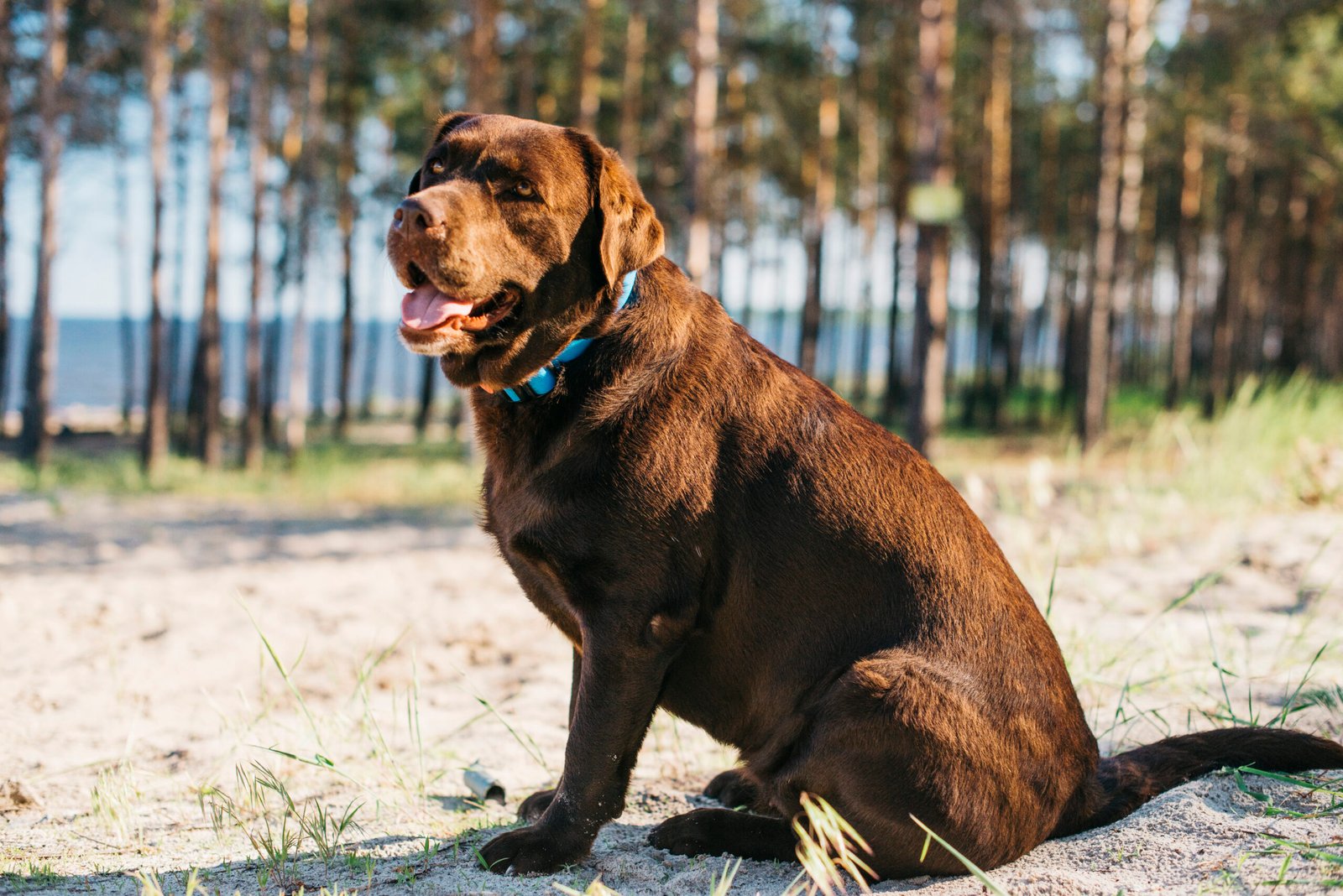
Choosing one of the 20 largest dog breeds impacts every aspect of your life. At Pet Breeding Club, we advise prospective owners to consider the “Giant Tax”—everything costs more.
Diet and Growth:
You cannot feed a giant puppy regular puppy food. They need specialized large-breed formulas with controlled calcium and phosphorus levels. If they grow too fast, their bones will develop incorrectly, leading to Panosteitis (growing pains) or permanent skeletal deformities.
Health Concerns:
Almost all of the 20 largest dog breeds are prone to Gastric Dilatation-Volvulus (Bloat). This is a life-threatening condition where the stomach twists. Many breeders recommend a preventive surgery called gastropexy. Additionally, Hip Dysplasia and dilated cardiomyopathy (heart disease) are prevalent genetic issues.
Transport and Housing:
A St. Bernard does not fit in a compact car. You will need a vehicle with a large cargo area. While they don’t necessarily need a mansion (many Mastiffs are quite lazy), they do need space to stretch out without knocking over furniture with their tails.
Breeding Considerations
For those interested in breeding these majestic animals, the stakes are high. Breeding giants is difficult.
-
Litter Size: Giants can have massive litters (10-15 puppies), requiring round-the-clock care.
-
Whelping: Due to the size of the puppies’ heads, C-sections are common and expensive.
-
Mother Care: A 150-pound mother can accidentally crush her puppies, so supervision is constant.
20 largest dog breeds
Conclusion
Reviewing the 20 largest dog breeds reveals the incredible versatility of the canine species. Whether you are drawn to the stoic protection of the Caucasian Shepherd, the goofy affection of the Great Dane, or the swimming prowess of the Newfoundland, there is a giant breed that fits specific lifestyles—provided you have the space and resources.
These dogs are not just pets; they are a presence. They fill a room physically and emotionally. If you are ready for the drool, the shedding, and the short but impactful years they offer, owning one of the 20 largest dog breeds will be one of the most rewarding experiences of your life. At Pet Breeding Club, we salute the guardians, the hunters, and the gentle giants that remind us that sometimes, bigger really is better.
Sources
-
American Kennel Club (AKC): Breed Standards and Weight Classes.
-
Guinness World Records: Heaviest and Tallest Dogs Recorded.
-
The Great Dane Club of America: Health and Longevity Studies.
-
Journal of Veterinary Internal Medicine: Gastric Dilatation-Volvulus in Large Breed Dogs.
-
Federation Cynologique Internationale (FCI): Molosser and Mastiff Breed Histories.