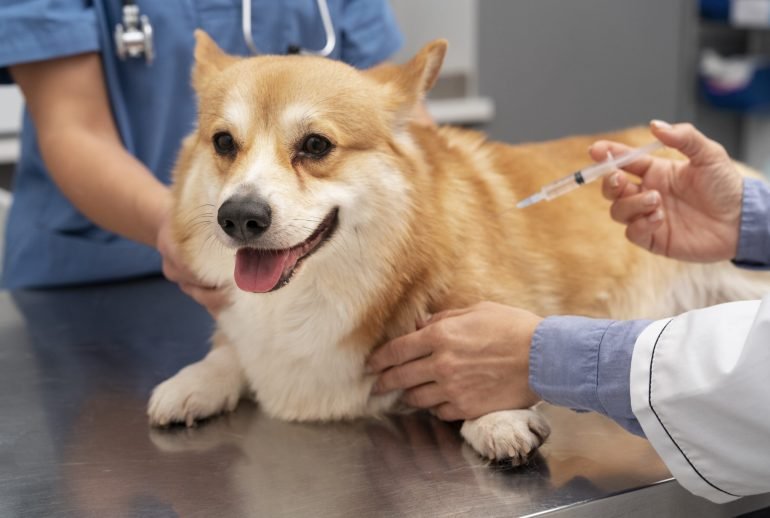
Breeding Pembroke Welsh Corgis is a rewarding but challenging endeavor that requires dedication, knowledge, and responsibility. These charming dogs are known for their affectionate nature, intelligence, and distinctive appearance, making them a popular choice among dog lovers. However, prospective breeders should understand the complexities involved in breeding this breed to ensure the health and well-being of the puppies and the parent dogs. In this comprehensive guide, we will explore the essential aspects of responsibly breeding Pembroke Welsh Corgis.
 breeding pembroke welsh corgis~
Understanding the Pembroke Welsh Corgi
Before diving into the specifics of breeding Pembroke Welsh Corgis, it’s important to understand the breed’s history, characteristics, and temperament. The Pembroke Welsh Corgi is a small herding dog that originated in Wales. Known for their short legs, long bodies, and large ears, they are highly regarded for their intelligence and friendly disposition.
Physical Traits
Pembroke Welsh Corgis are easily recognizable due to their unique physical traits. They typically weigh between 25 to 30 pounds and stand about 10 to 12 inches tall at the shoulder. Their coat is medium-length, straight, and water-resistant, available in various colors such as red, sable, tri-color, and fawn. Additionally, many Pembrokes are born with docked tails, a characteristic feature of the breed.
Temperament
The temperament of Pembroke Welsh Corgis plays a significant role in breeding practices. These dogs are known for their friendly, affectionate nature and strong bond with their families. They are intelligent and easy to train, making them excellent companions and loyal pets. However, they can also exhibit herding instincts, which may lead to nipping or chasing behavior. Understanding these traits is crucial for responsible breeding.
The Importance of Responsible Breeding
Breeding Pembroke Welsh Corgis responsibly is essential for several reasons. First and foremost, it ensures the health and well-being of the dogs. Responsible breeding practices help minimize genetic health issues and promote sound temperament. Additionally, it helps maintain breed standards and supports the overall improvement of the breed.
Health Considerations
Health should be a top priority when breeding Pembroke Welsh Corgis. Common health issues in this breed include hip dysplasia, elbow dysplasia, cardiovascular problems, and eye disorders. Breeders should conduct health screenings on both parent dogs before breeding to identify any potential genetic concerns. This practice not only protects the puppies but also contributes to the long-term health of the breed.
 breeding pembroke welsh corgis~
Preparing for Breeding
Once you are committed to breeding Pembroke Welsh Corgis, preparation is key. Here are essential steps to take before breeding:
Selecting the Right Breeding Pair
Choosing suitable breeding pairs is critical for producing healthy and well-tempered puppies. When selecting a breeding pair, consider factors such as health, temperament, conformation to breed standards, and genetic background. It is advisable to work with a veterinarian or breed expert to help assess potential breeding pairs.
Health Testing
Before breeding, ensure that both the sire and dam undergo comprehensive health testing. This may include evaluations for hip and elbow dysplasia, heart exams, and eye certifications. Documenting these health tests is important, as it can help potential puppy buyers understand the health background of the puppies.
Understanding Breed Standards
Familiarize yourself with the breed standards established by recognized kennel clubs, such as the American Kennel Club (AKC). Understanding these standards will guide you in selecting breeding pairs and evaluating the conformation of the puppies. Breeding to meet these standards helps maintain the integrity of the Pembroke Welsh Corgi breed.
The Breeding Process
Once all preparations are completed, you can proceed with the breeding process. Here are key aspects to consider:
Timing
Timing is critical in the breeding process. Female Corgis typically go into heat every six to twelve months, and the optimal breeding window is during the estrus phase, which lasts about 9 days. Monitoring the female’s cycle is essential to ensure successful breeding.
Natural vs. Artificial Insemination
Breeders can choose between natural mating and artificial insemination. Natural mating can be a straightforward process but may require careful supervision. If using artificial insemination, work closely with a veterinarian to ensure proper technique and timing.
Pregnancy Care
Once the female Corgi is successfully bred, she will enter the gestation period, which lasts approximately 63 days. During this time, provide her with appropriate nutrition, veterinary check-ups, and a comfortable environment. This care is crucial for the health of both the mother and the developing puppies.
Whelping and Raising Puppies
As the whelping date approaches, make sure to prepare a suitable whelping area for the female to give birth. After the puppies are born, responsible breeders must ensure proper care and socialization for the young Corgis.
 breeding pembroke welsh corgis~
Whelping Area
Create a quiet, safe, and clean environment for the mother to give birth. A whelping box with clean bedding will provide a secure space for the puppies. Keep a close eye on the mother during whelping to monitor for any complications or signs of distress.
Puppy Care
After birth, monitor the puppies’ health and development closely. Ensure they nurse adequately and gain weight, which is a sign of good health. Be prepared to intervene if any health issues arise, and consult a veterinarian with any concerns.
Socialization and Early Training
Socialization is critical for puppies, and it’s essential to expose them to various experiences, sounds, and environments as they grow. Responsible breeders should begin introducing basic training and positive reinforcement methods early to help prepare the puppies for their future homes.
Finding Forever Homes
Once the puppies are old enough, typically around eight weeks, it’s time to find them loving homes. Responsible breeders take great care in selecting homes for their puppies, ensuring they find suitable families that will provide a loving environment.
Screening Potential Buyers
Screening potential puppy buyers is an important step to ensure the well-being of the puppies. Ask questions about their experience with dogs, living situations, and their understanding of the responsibilities involved in dog ownership. Providing a contract that outlines the terms of the sale and expectations for the puppy’s care can also help protect both the buyer and the breeder.
Educating New Owners
Educating new puppy owners about the needs and care for Pembroke Welsh Corgis is vital. Share information about training, socialization, grooming, and health care to help them provide the best possible environment for their new pet.
Conclusion
In conclusion, breeding Pembroke Welsh Corgis is a rewarding journey that requires thorough preparation, dedication, and a commitment to responsible practices. Understanding the breed’s characteristics, health considerations, and the steps involved in breeding is crucial for producing healthy puppies and maintaining the integrity of this beloved breed. By following the guidelines outlined in this article, you will contribute positively to the Pembroke Welsh Corgi community and ensure a brighter future for this extraordinary breed.
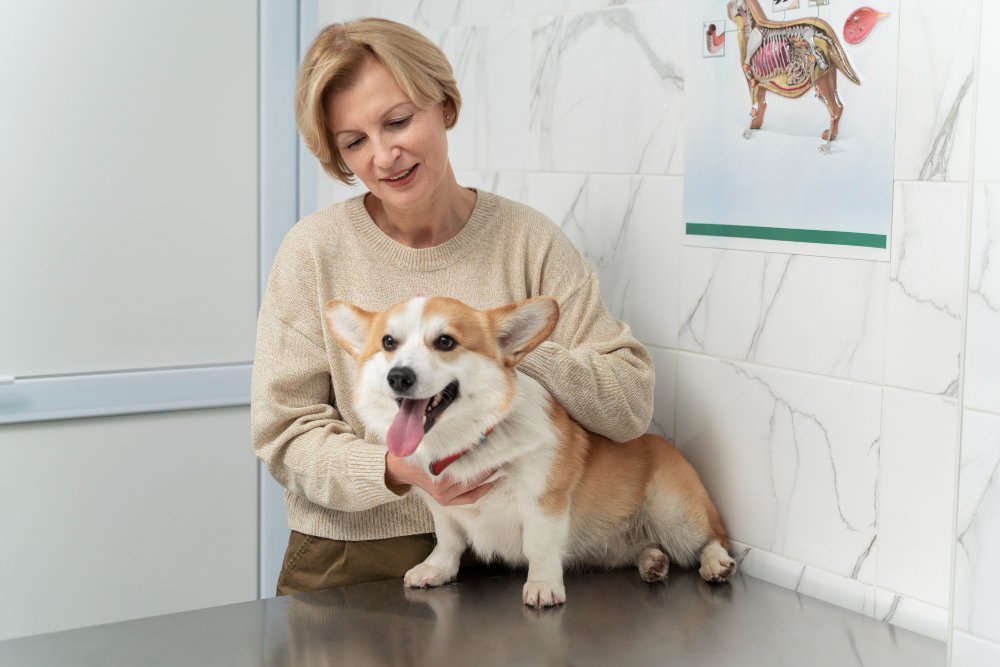 breeding pembroke welsh corgis~
Sources