

These 10 weird facts about dogs are about to change the way you look at your furry companion forever. As dog lovers and breeders, we spend our lives around these incredible animals. We know their feeding schedules, their favorite toys, and that exact spot behind the ear they love to have scratched. We watch them grow, learn, and become cherished members of our families. But no matter how well we think we know them, dogs remain beautifully complex creatures with a biology that is, frankly, weird.
We’re not talking about common knowledge, like “dogs have a great sense of smell.” We’re talking about biological superpowers, bizarre evolutionary quirks, and hidden abilities that sound more like science fiction than canine reality. Here at Pet Breeding Club, we believe that understanding these eccentricities makes us better owners, breeders, and companions.
So, get ready to have your mind blown. This list of 10 weird facts about dogs peels back the curtain on the strange and wonderful world of Canis familiaris.
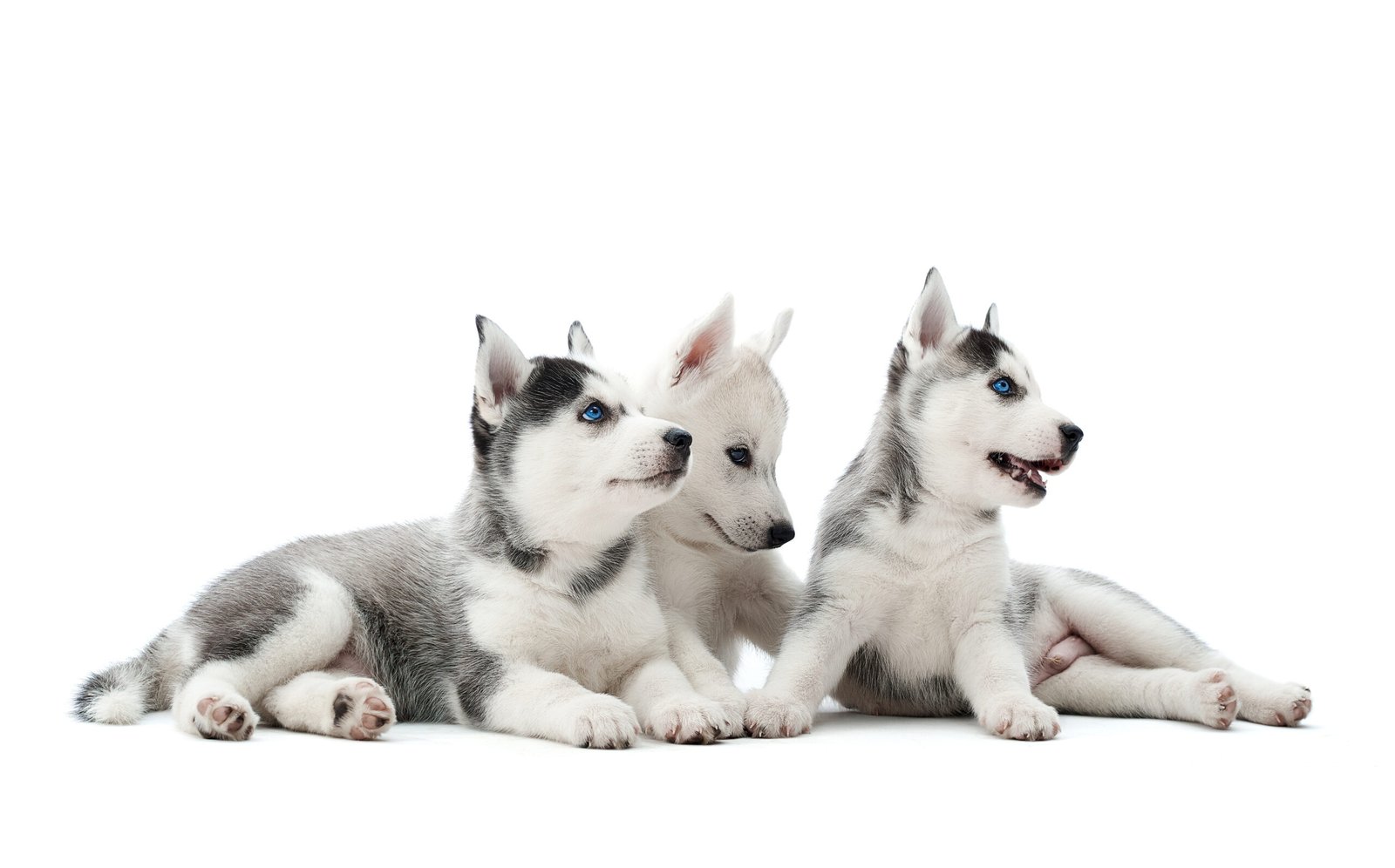
The 10 Weird Facts About Dogs You Need to Know
1. Dogs Can Literally “Smell” Time
This is a concept so abstract it’s hard for us humans to grasp, but it’s one of the most incredible on our list of 10 weird facts about dogs. We all know a dog’s nose is powerful, but its true ability goes beyond just identifying scents. Dogs can perceive the passage of time through smell.
Here’s how it works: Your scent, for example, is strongest in the house right after you leave. As the hours pass, that scent begins to fade. Your dog’s hyper-sensitive nose can detect the rate at which your scent is diminishing. They learn to associate a certain “level” of faded scent with the time you usually walk through the door.
Furthermore, dogs can smell the different scents of the day. They can smell the “morning” air (cool, dewy) versus the “afternoon” air (hot, dry, full of different active scents). This is how your dog “just knows” it’s 5:00 PM and time for dinner, often waking up from a deep sleep just moments before the alarm. They are, in essence, smelling the clock.
2. That “Frito Feet” Smell is Real (and It’s Not Fritos)
Have you ever buried your nose in your dog’s paws and caught a distinct whiff of corn chips or popcorn? You’re not crazy. This phenomenon is so common it has a nickname: “Frito Feet.”
This weirdly specific smell isn’t from their diet. It’s the natural, harmless byproduct of bacteria. A dog’s paws are one of the few places they sweat (more on that later). This warm, moist environment is a perfect breeding ground for a mix of microorganisms, primarily the bacteria Pseudomonas and Proteus. These bacteria are perfectly natural and don’t cause any harm, but they just so happen to emit a yeasty, “corn chip” odor. It’s a completely normal (and oddly charming) part of dog ownership.
3. Dogs Have a Built-in “Windshield Wiper”
Here is a classic biological entry for our 10 weird facts about dogs: your dog has three eyelids.
That’s right, three. Humans have two: an upper and a lower lid. Dogs have those, too, but they also possess a third, hidden eyelid called a “nictitating membrane” (or “haw”). It’s a thin, pale pink or whitish flap of tissue tucked away in the inner corner of the eye.
You might see it for a split second if your dog is just waking up or if they are anesthetized. This third eyelid’s job is to act like a biological windshield wiper. It sweeps horizontally across the eyeball to clear away debris, spread the tear film to keep the cornea moist, and provide an extra layer of protection—all without the dog having to shut its eyes completely. It’s an invaluable tool for an animal that, in the wild, would need to keep its vision clear while running through brush.
4. They Sweat Through Their Paw Pads
We touched on this with “Frito Feet,” but it deserves its own spot. A common misconception is that dogs only cool themselves by panting. While panting (evaporation from the tongue) is their primary method of thermoregulation, it’s not their only one.
Dogs do have sweat glands, but they are located in the least furry places: their paws. They have merocrine sweat glands on their paw pads. On a hot day or when a dog is particularly stressed (like at the vet’s office), you might notice them leaving little, damp footprints behind. This is paw-sweat. While it’s not efficient enough to cool their entire body on a hot day, it’s a fascinating biological quirk and a key part of our list of 10 weird facts about dogs.
5. The “Post-Potty Kick-Scratch” Isn’t About Covering Mess
You’ve seen it a hundred times: your dog finishes their business (pee or poop), and then they turn around and start vigorously kicking their back legs, sending dirt and grass flying. Many owners mistakenly think their dog is politely trying to “cover” their mess, like a cat.
This couldn’t be further from the truth. This behavior is the exact opposite of covering; it’s a bold act of advertising. Dogs have interdigital scent glands located between the pads of their feet. When they do that powerful scratch-kick, they are releasing their own unique pheromones onto the freshly torn-up ground. They are essentially adding a “signature” to their “visual marker” (the waste), claiming that territory in a way that other dogs can both see and smell. This is one of the 10 weird facts about dogs that completely changes how you see their daily routine.
6. A Dog’s Nose Print is as Unique as a Human Fingerprint
This is a fact that has been utilized by kennel clubs for decades. Just like a human’s unique fingerprint, a dog’s nose print—with its specific pattern of ridges, bumps, and creases—is a one-of-a-kind biological marker. No two dogs have the same nose print.
The Canadian Kennel Club has actually been accepting nose prints as a valid form of identification since 1938. While today’s microchips are a more common and efficient method of identification, the nose print remains an unforgeable, unique signature for every single dog. This is one of the 10 weird facts about dogs that highlights their sheer individuality.
7. Dogs Can “See” the Earth’s Magnetic Field
This fact sounds like it’s straight out of a superhero comic. Research has increasingly shown that dogs possess a sense called “magnetoreception”—the ability to perceive the Earth’s magnetic field.
Scientists believe they share this ability with animals like birds (who use it to migrate), dolphins, and foxes. The “how” is believed to be linked to a specific protein in their eyes (cryptochrome 1), which may allow them to visually perceive the magnetic field as a pattern of light or color laid over their vision. This “internal compass” could help explain incredible stories of lost dogs finding their way home over hundreds of miles.
8. …Which Is Probably Why They Align to Poop
If the last fact was strange, this follow-up is one of the weirdest of the 10 weird facts about dogs. If you’ve ever felt like your dog takes an unusually long time to find the perfect spot to defecate, you’re not imagining it. They aren’t just being picky; they’re aligning their internal compass.
In a remarkable study published in Frontiers in Zoology, researchers observed thousands of dogs over two years and discovered a clear, measurable behavior: dogs (when off-leash and in an open field) “prefer to excrete with the body aligned along the North-South axis.” They actively avoided pooping on an East-West axis. This behavior was only consistent when the Earth’s magnetic field was stable (i.e., not during a solar flare). The exact why is unknown, but it’s clear they are “feeling” the planet in a way we simply cannot.
9. A Basenji Doesn’t “Bark” — It “Yodels”
The Basenji is a fascinating and ancient breed from Africa, often called the “barkless dog.” This isn’t because they are mute. It’s because their larynx (voice box) is shaped differently than other dogs—it’s flatter and more uniform.
Because of this unique anatomy, they cannot produce the repetitive, sharp “bark” we associate with most dogs. Instead, when they get excited or want to communicate, they produce a complex, multi-toned sound that is universally described as a “yodel” or a “barroo.” It’s an unforgettable sound and a wonderful addition to our 10 weird facts about dogs.
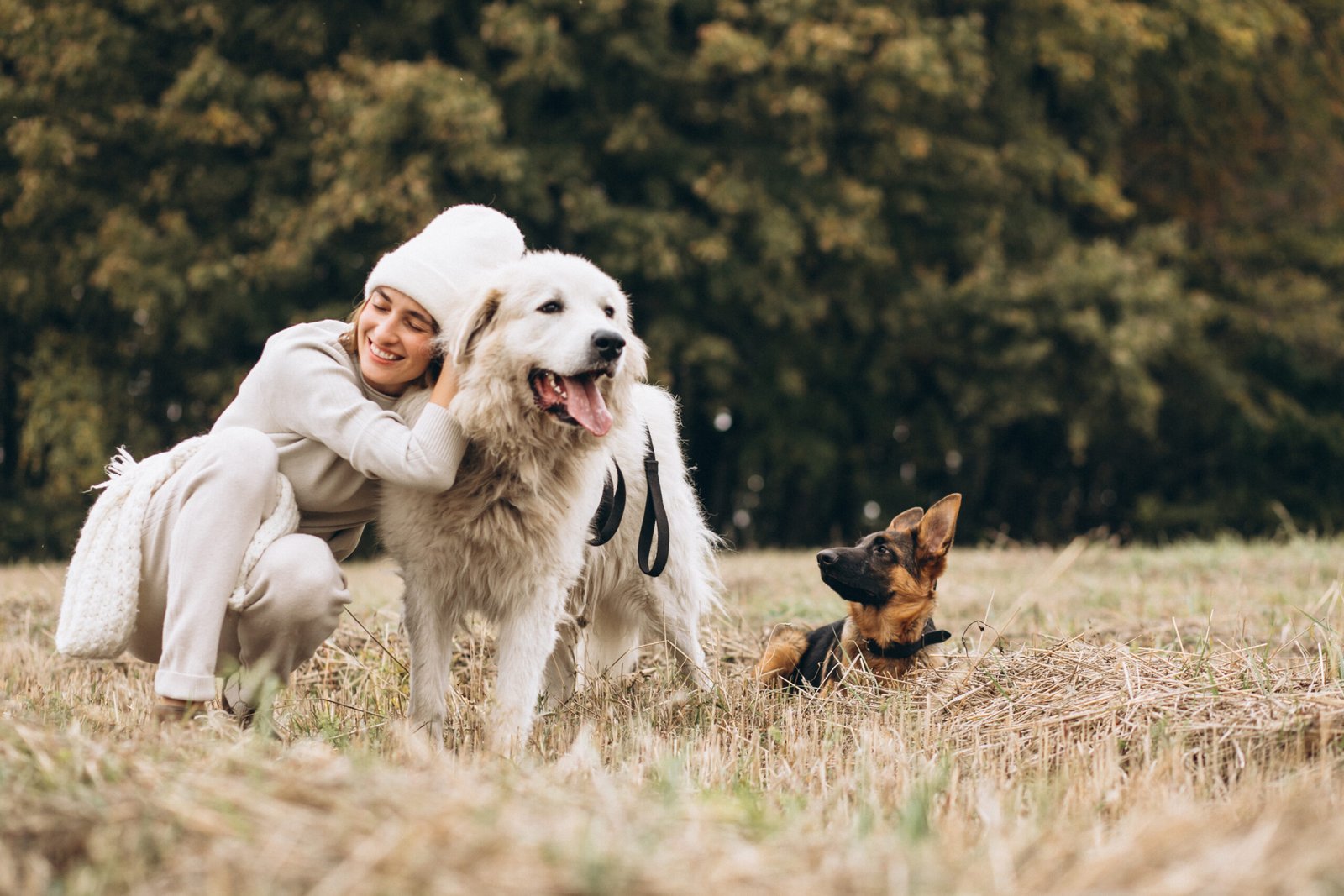
10. Whiskers Are “Air-Sensing” Tools, Not Just “Hair”
A dog’s whiskers (or vibrissae) are not just cute facial-accessory hairs. They are deeply-embedded, highly-sensitive tactile sensors, almost like tiny antennae.
Unlike regular hair, the follicle at the base of a whisker is packed with nerves. These whiskers are so sensitive they can detect even the most minute changes in air currents. This allows a dog to “feel” its surroundings, even in complete darkness. They use whiskers to gauge the width of an opening (to see if they can fit), to sense the proximity of a wall or object before they hit it, and to detect the size and speed of an approaching object. This is a crucial “sixth sense” and a key reason you should never trim a dog’s whiskers.
Why These 10 Weird Facts About Dogs Matter
Knowing these 10 weird facts about dogs isn’t just for winning a round of trivia at the dog park. For the dedicated owners and breeders at PetBreedingClub.com, this information is a powerful tool for empathy and better care.
When you understand why your dog is kicking up dirt (Fact #5), you stop seeing it as “bad behavior” and start seeing it as a natural, instinctual form of communication. When you understand they sweat through their paws (Fact #4), you know to pay extra attention to cleaning their feet and to recognize wet paw prints as a sign of heat or stress.
This list of 10 weird facts about dogs helps us appreciate their evolutionary genius. It reminds us that our dogs are not “little humans in fur coats.” They are a distinct species with their own unique biology, senses, and perception of the world. Understanding their “weirdness” is the first step to truly respecting their needs and deepening the incredible bond we share.
We hope these 10 weird facts about dogs have given you a newfound appreciation for your amazing companion. From yodels to magnetic-field-sensing, these 10 weird facts about dogs are a testament to their incredible nature. This list of 10 weird facts about dogs is just scratching the surface of what makes our companions so special.
Sources:
- VCA Animal Hospitals. “Why Do Dogs Have Whiskers?”
- American Kennel Club (AKC). “Do Dogs Sweat?”
- American Kennel Club (AKC). “Why Does My Dog’s Paws Smell Like Corn Chips?”
- Hart, V., et al. (2013). “Dogs are sensitive to small variations of the Earth’s magnetic field.” Frontiers in Zoology.
- Horowitz, A. (2016). Being a Dog: Following the Dog Into a World of Smell.
- Cohen, J.A., & Fox, M.W. (1976). “Vocalizations in wild canids and possible effects of domestication.” Behavioural Processes. (Discusses Basenji vocalization).
- Canadian Kennel Club (CKC). “History of CKC.” (Regarding nose printing).
Follow Me Now!