
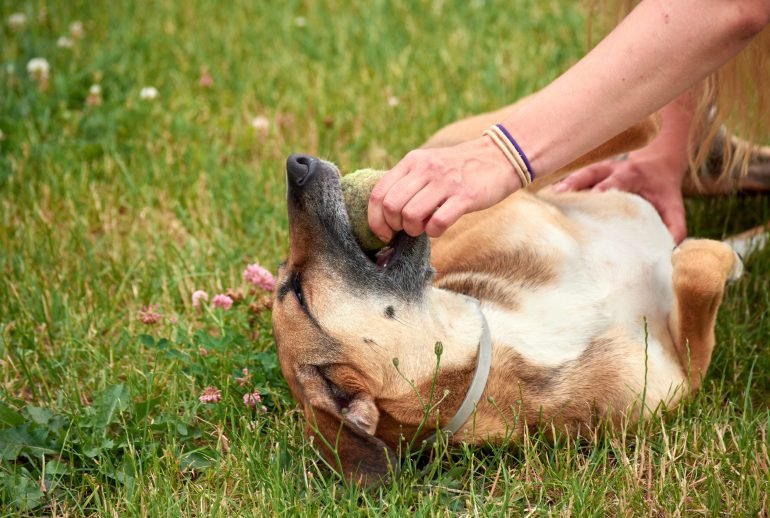
Dog get bee sting is a frantic search term that thousands of pet owners type into their phones every summer. At Pet Breeding Club, we know the panic that sets in when a peaceful afternoon in the garden turns into a scene of yelping and distress. Our canine companions are naturally curious creatures. They explore the world with their noses and paws, often investigating buzzing flowers or chasing flying insects. Unfortunately, this curiosity often leads to painful consequences.
If you suspect your dog has had an encounter with a stinging insect, do not panic. While it can be frightening to see your pet in pain, most stings are manageable at home with the right knowledge. This comprehensive guide serves as your emergency manual. We will cover immediate first aid, how to spot severe allergic reactions, and the specific steps to take if your dog get bee sting incidents occur in sensitive areas like the mouth or throat.

Identifying the Signs: Did Your Dog Get Stung?
Before administering aid, you need to confirm the issue. It isn’t always obvious when a dog get bee sting, especially if they are in the yard alone. The signs can be subtle or dramatic depending on the dog’s pain threshold and the location of the sting.
Common Symptoms Include:
-
Sudden Vocalization: A sharp yelp or cry out of nowhere.
-
Localized Swelling: Puffiness around the muzzle, eyes, or paws is the most common sign.
-
Excessive Licking or Pawing: If a dog get bee sting on the paw, they will often limp or chew at the specific spot.
-
Hives: Bumps may appear all over the body, not just at the sting site.
-
Restlessness: Pacing, whining, or an inability to get comfortable.
If you see these signs, you need to act quickly but calmly. Your dog will feed off your energy. If you are frantic, their stress levels will rise, which can actually speed up the circulation of venom.
The Danger Zone: Understanding Anaphylaxis
The most dangerous scenario when a dog get bee sting involves an allergic reaction known as anaphylactic shock. Just like humans, some dogs are highly allergic to bee venom. This is a life-threatening emergency that requires immediate veterinary intervention.
You must act fast if your dog get bee sting and shows any of the following signs of shock:
-
Difficulty Breathing: Wheezing or gasping for air.
-
Pale Gums: Gums should be pink; if they turn white or blue, it indicates a lack of oxygen.
-
Vomiting or Diarrhea: A sudden onset of gastrointestinal distress within minutes of the sting.
-
Collapse: Weakness or fainting.
-
Severe Swelling: If the swelling spreads rapidly to the neck or head, it can obstruct the airway.
If you observe these symptoms, skip the home remedies below and drive immediately to the nearest emergency vet clinic.
Step-by-Step First Aid Guide
For the vast majority of cases, the reaction will be localized and painful but not life-threatening. The moment you realize a dog get bee sting, follow these four critical steps to minimize pain and swelling.
Step 1: Remove the Stinger Correctly
Honeybees have barbed stingers that detach from the insect and remain in the skin. Attached to the stinger is a venom sac that continues to pump toxins for several minutes.
-
Do Not Pinch: If you use tweezers or your fingers to pinch the stinger, you will squeeze the venom sac, injecting the remaining poison into your dog.
-
Scrape It Out: Use the edge of a credit card, a stiff piece of paper, or your fingernail to scrape across the skin and pop the stinger out. This prevents further envenomation.
Step 2: Neutralize the Venom
The type of sting matters. Bee venom is acidic, while wasp venom is alkaline. Since we are discussing what happens when a dog get bee sting, we focus on neutralizing the acid.
-
The Paste: Mix baking soda and a little water to create a thick paste.
-
Application: Apply this directly to the sting site. It helps neutralize the acidity of the venom and can significantly reduce the stinging sensation. (Note: If it was a wasp, vinegar is the better remedy).
dog get bee sting
Step 3: Apply Cold Compresses
After a dog get bee sting, the site will become hot and inflamed. Ice is your best friend here.
-
Wrap an ice pack or a bag of frozen peas in a towel (never apply ice directly to the skin to avoid frostbite).
-
Hold it against the swelling for 10 to 15 minutes. This constricts the blood vessels, slowing the spread of the venom and numbing the pain.
Step 4: Monitor and Soothe
Keep your dog quiet. discourage running or playing, as physical activity increases heart rate and blood flow. Sit with them, pet them, and keep them calm.
The Question of Medication: Can I Give Benadryl?
Many vets recommend Benadryl (Diphenhydramine) after a dog get bee sting to reduce swelling and itching. It is a common antihistamine found in many medicine cabinets.
Dosage Guidelines:
The standard dosage for dogs is generally 1 mg per pound of body weight. For example, a 25-pound dog would take 25 mg.
-
Caveats: You must ensure the Benadryl contains only Diphenhydramine. Many allergy medications contain added decongestants or pain relievers (like Tylenol/Acetaminophen) or artificial sweeteners (like Xylitol) which are toxic to dogs.
-
Consultation: Always call your vet before administering medication to confirm the correct dosage for your specific dog, especially if they are on other medications or have underlying health issues.
Location Matters: Throat and Mouth Stings
Did your dog get bee sting inside their mouth? This often happens when dogs try to “catch” the bee (known as “fly snapping”). This is significantly more dangerous than a paw sting.
Swelling in the mouth or throat can block the windpipe, causing suffocation. If the sting is on the tongue or in the throat, do not wait to see if it swells—go to the vet immediately. They may need to administer a fast-acting steroid injection to keep the airway open.
Multiple Stings: When to Worry
If a dog get bee sting multiple times, the situation escalates. This can happen if a dog digs up a ground nest or disturbs a hive.
A massive amount of venom entering the bloodstream simultaneously can cause organ damage, kidney failure, and severe shock, even in dogs that are not allergic. Multiple stings are always a medical emergency. Do not attempt to treat this at home; prompt veterinary care is required to manage pain and flush the toxins from the system.
The Recovery Phase
The recovery period after a dog get bee sting is usually short. Most swelling subsides within 24 hours. However, you should continue to monitor the site.
-
Watch for Infection: If the dog licks the area excessively, they can introduce bacteria into the wound. If the site becomes red, hot, and oozing days later, it may be infected.
-
Elizabethan Collar: You may need to put a cone on your dog to prevent them from chewing the sting site.
Preventing Future Stings
To prevent a dog get bee sting incident in the future, you can take proactive measures in your environment.
-
Check the Yard: Regularly inspect your garden for ground nests or hives in trees.
-
Avoid Flower Beds: During peak bee activity (mid-day), keep your dog away from blooming flowers.
-
Training: Teach the “Leave It” command. If you see your dog snapping at a flying insect, a strong “Leave It” can save them a lot of pain.
-
Water Bowls: Bees are attracted to water. Keep outdoor water bowls fresh and check them before your dog drinks.
Common Myths About Bee Stings
There are myths about what to do when a dog get bee sting that can actually cause harm.
-
Myth: “Put mud on it.” While mud might cool the area, it is full of bacteria. Applying mud to an open puncture wound increases the risk of infection. Stick to baking soda or clean ice.
-
Myth: “Human pain relievers are okay.” Never give your dog Ibuprofen or Aspirin for the pain unless directed by a vet. These can be fatal to dogs.
Why “Bee Proofing” Is Impossible
We have to accept that we cannot completely sterilize nature. Bees are a vital part of our ecosystem. Seeing a dog get bee sting is often a rite of passage for puppies. The most important tool you have is observation. Knowing your dog’s normal behavior allows you to spot distress early.
At Pet Breeding Club, we also suggest keeping a “Pet First Aid Kit” accessible. This kit should include a credit card for scraping stingers, a small packet of baking soda, the vet’s phone number, and a dose of Benadryl (pre-approved by your vet). Being prepared turns a panic situation into a managed incident.
Conclusion
Ultimately, seeing a dog get bee sting is scary, but manageable. By remaining calm, removing the stinger properly, and monitoring for allergic reactions, you can ensure your dog recovers quickly. Remember that the vast majority of these incidents result in nothing more than a puffy face and a lesson learned for your inquisitive pup.
However, never hesitate to seek professional help if you are unsure. Veterinary clinics are used to these calls, especially in spring and summer. It is always better to be safe than sorry when it comes to the health of your best friend. We hope this guide helps you feel prepared to handle the buzz of the summer season safely.
Sources
-
American Kennel Club (AKC): What to Do If Your Dog Is Stung by a Bee.
-
VCA Animal Hospitals: Insect Stings in Dogs.
-
PetMD: Anaphylaxis in Dogs: Symptoms and Treatment.
-
Merck Veterinary Manual: Toxicology: Bee, Wasp, and Ant Stings.
-
Cornell University College of Veterinary Medicine: Canine First Aid Basics.