
100 types of dogs is a phrase that barely scratches the surface of the incredible diversity found within the species Canis lupus familiaris. At Pet Breeding Club, we are fascinated by the genetics, history, and unique characteristics that make each breed distinct. From the pocket-sized Chihuahua to the towering Irish Wolfhound, dogs have been selectively bred by humans for thousands of years to perform specific tasks, survive in distinct climates, and provide varying forms of companionship.
This ultimate guide explores the vast spectrum of the canine world. While there are over 340 recognized breeds globally, focusing on a representative sample helps us understand the major categories. By examining these 100 types of dogs—categorized by their function and heritage—we can better appreciate the biological marvel that is the domestic dog and help prospective owners find their perfect match.
The Science of Variation: How Did This Happen?
Before diving into specific groups, we must ask: How did we end up with such variety? When geneticists look at 100 types of dogs, they see the most malleable mammalian genome on the planet. Through “artificial selection,” humans amplified specific traits. We wanted dogs that could swim, so we bred for webbed feet (Newfoundlands). We wanted dogs that could go down holes, so we bred for short legs (Dachshunds).
If you were to analyze 100 types of dogs side-by-side, you would find significant differences in skull shape, ear carriage, tail set, and coat texture. However, despite these physical differences, they all share the same language of body posture and scent communication. Understanding this commonality amidst diversity is the first step in responsible dog ownership.
Group 1: The Guardians and Workers (The Heavyweights)
When compiling any list of 100 types of dogs, the Working Group commands immediate respect. These dogs were bred to guard property, pull sleds, and perform water rescues. They are intelligent, strong, and often independent.
-
The Sled Pullers: Breeds like the Siberian Husky, Alaskan Malamute, and Samoyed are built for endurance and cold weather. Their thick double coats act as insulation against freezing temperatures.
-
The Guardians: The Rottweiler, Doberman Pinscher, and Bullmastiff were created to protect. They require experienced handling and early socialization.
-
The Rescuers: The Saint Bernard and Newfoundland are famous for their gentle nature despite their massive size.
Navigating through these 100 types of dogs, the working breeds stand out as the ones requiring a “job.” Without a task to perform, such as obedience training or cart pulling, they can become destructive. They are not merely pets; they are partners that demand respect and leadership.
Group 2: The Hunters (Sporting and Hounds)
A significant portion of any catalog of 100 types of dogs consists of breeds designed to put food on the table. This category is generally divided into two: the Sporting dogs (who work with guns/birds) and the Hounds (who chase prey).
The Sporting Group:
These are often the most popular family pets due to their eager-to-please nature.
-
Retrievers: The Labrador Retriever and Golden Retriever are the gold standard for families. They are soft-mouthed (to carry birds without damaging them) and water-loving.
-
Pointers and Setters: The German Shorthaired Pointer and Irish Setter are high-energy athletes. They are wired to locate scents on the wind and “point” the hunter toward them.
The Hound Group:
When you review 100 types of dogs, the Hounds offer the most variety in shape.
-
Scent Hounds: The Beagle and Bloodhound follow their noses. A Bloodhound can track a scent that is days old over miles of terrain.
-
Sight Hounds: The Greyhound, Whippet, and Saluki are aerodynamic wonders. They hunt by speed and sight. Unlike the cooperative Labrador, hounds can be independent and stubborn, traits necessary for a dog expected to work far ahead of its master.
Group 3: The Terriers (Small but Mighty)
No list of 100 types of dogs is complete without the spirited Terriers. The name comes from the Latin “terra” (earth), as these dogs were bred to dig into the ground to hunt vermin, rats, foxes, and badgers.
-
The Feisty Ones: The Jack Russell Terrier and Cairn Terrier are overflowing with energy. They have a high prey drive and will chase anything that moves.
-
The “Bull” Breeds: The Staffordshire Bull Terrier and Bull Terrier fall into this category. Historically misunderstood, they are often intensely loyal and affectionate with humans, though they can be dog-reactive.
When looking at 100 types of dogs, Terriers represent the most tenacious personalities. They do not back down. This “terrier attitude” makes them entertaining companions, but they require a lot of patience and a secure fence to prevent them from embarking on solo adventures.
Group 4: The Herders (The Einsteins of the Dog World)
For centuries, farmers relied on dogs to manage livestock. The Herding Group contains the smartest workaholics you will find in our survey of 100 types of dogs.
-
The Intense Workers: The Border Collie and Belgian Malinois are often cited as the most intelligent breeds. They need constant mental stimulation.
-
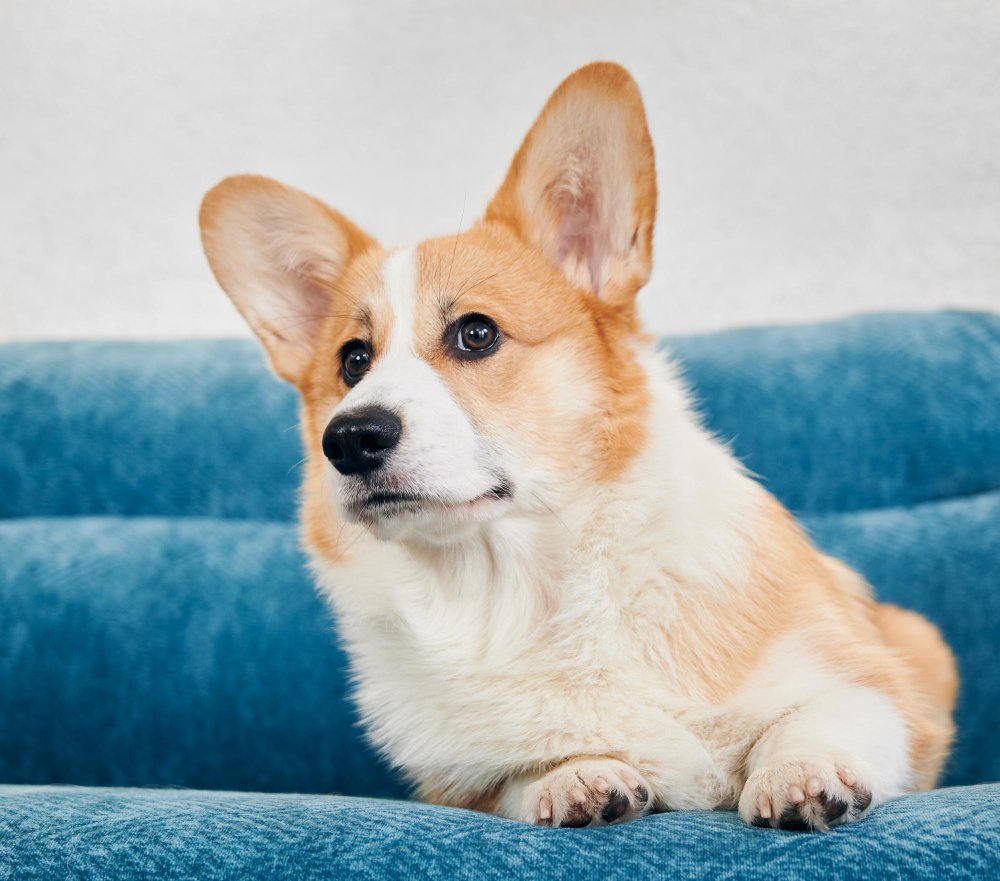
The Drovers: The Pembroke Welsh Corgi and Australian Cattle Dog were bred to nip at the heels of cattle to move them.
These dogs are reactive to movement. If you have children running in the yard, a herding dog might instinctively try to “round them up.” Understanding this instinct is crucial. Many people choose these breeds for their intelligence but are unprepared for their energy levels. In the context of 100 types of dogs, these are the high-octane performance vehicles.
Group 5: The Companions (Toy and Non-Sporting)
Not all dogs were bred to work. Some were bred simply to love and be loved.
The Toy Group:
-
The Lap Warmers: The Chihuahua, Pomeranian, and Shih Tzu were bred to be portable companions.
-
The Royals: The Cavalier King Charles Spaniel and Pekingese have histories in royal palaces.
The Non-Sporting Group:
This is the “melting pot” of the dog world. When organizing 100 types of dogs, this group catches the unique breeds that don’t fit elsewhere.
-
The Unique: The Dalmatian (coach dog), the Chow Chow (ancient guardian), and the French Bulldog (companion) reside here. The French Bulldog, in particular, has surged in popularity due to its adaptable nature for apartment living.
100 types of dogs
Rare and Exotic Breeds
To truly round out a guide to 100 types of dogs, we must look beyond the park favorites to the rare and exotic. These breeds often have ancient lineages or specific regional purposes.
-
The Xoloitzcuintli: Also known as the Mexican Hairless Dog, an ancient breed associated with Aztec culture.
-
The Norwegian Lundehund: A dog with six toes on each foot, bred to hunt puffins on steep cliffs.
-
The Tibetan Mastiff: A massive, lion-like guardian of the Himalayas.
-
The Azawakh: A tall, elegant sighthound from West Africa.
These breeds remind us that the map of 100 types of dogs covers every corner of the globe. Preserving these rare breeds is a core passion for many in the Pet Breeding Club community, as they represent unique genetic histories that could otherwise be lost.
Coat Types and Grooming Needs
Diversity isn’t just about size; it is about coat type. Across 100 types of dogs, grooming needs vary wildly.
-
Double Coats: Breeds like the German Shepherd and Husky “blow” their coats twice a year, shedding massive amounts of fur.
-
Hair Coats: Poodles and Yorkshire Terriers have hair that keeps growing, requiring professional haircuts every 6 to 8 weeks.
-
Wire Coats: Terriers often have wire coats that need “hand stripping” to maintain texture.
-
Smooth Coats: Boxers and Dobermans are “wash and wear,” requiring minimal grooming.
Prospective owners must consider this. You might love the look of an Afghan Hound, but are you prepared for daily brushing? Assessing the maintenance levels of 100 types of dogs is just as important as assessing their temperaments.
The Rise of the “Designer” Dog
In the last 30 years, a new category has entered the conversation. While not “purebreds” in the traditional kennel club sense, intentional crosses like the Goldendoodle, Labradoodle, and Cockapoo have become ubiquitous.
Are they distinct types? In the modern vernacular, yes. They represent a desire to combine the traits of two distinct breeds from the list of 100 types of dogs—usually to achieve the low-shedding coat of a Poodle with the temperament of a Retriever. While controversial in some breeding circles, their popularity is undeniable.
Choosing the Right Dog for You
With so many options, how do you choose? The biggest mistake people make is choosing based on appearance.
-
Energy Level: Do you run marathons (Weimaraner) or binge-watch TV (English Bulldog)?
-
Space: Do you have a farm (Great Pyrenees) or a studio apartment (Pug)?
-
Experience: Are you a novice (Labrador) or an expert handler (Akita)?
Reviewing a list of 100 types of dogs can be overwhelming, but if you filter by these three criteria, the list quickly narrows down to the breeds that will thrive in your home.
The Role of Genetics and Responsible Breeding
At Pet Breeding Club, our mission is to promote health. Every breed within the spectrum of 100 types of dogs carries specific genetic risks. Large dogs are prone to hip dysplasia; flat-faced dogs are prone to breathing issues; Toy dogs are prone to dental disease.
Responsible breeders test for these issues. They do not just throw two dogs together. They study pedigrees and perform DNA panels. Whether you are interested in one of the top 10 most popular breeds or one of the rarest of the 100 types of dogs, sourcing your puppy from an ethical breeder is the best way to ensure a healthy life.
Conclusion
The domestic dog is a testament to the special bond between humans and animals. We have shaped them, and in return, they have shaped us. They serve as our eyes, our ears, our protectors, and our best friends.
This guide to 100 types of dogs serves as a celebration of that diversity. Whether you are drawn to the stoic independence of the Chow Chow or the boundless enthusiasm of the Springer Spaniel, there is a breed perfectly suited to your life. We encourage you to continue exploring the resources on PetBreedingClub.com to learn more about the specific needs, history, and care of the breed that captures your heart. Remember, no matter which of the 100 types of dogs you choose, the loyalty and love they offer are universal.
Sources
-
American Kennel Club (AKC): The Complete Dog Book & Breed Standards.
-
The Kennel Club (UK): Breed Information Centre.
-
Federation Cynologique Internationale (FCI): Nomenclature of Breeds.
-
Journal of Canine Genetics and Epidemiology: Genetic diversity and breed structures.
-
Pet Breeding Club Archives: Breed-Specific Health Reports.