
Cat years to human years—it’s a question every cat owner has asked. We love to think of our feline companions as our equals, and understanding their age in human terms helps us to bond with them and cater to their needs at every life stage. While the old myth of “one cat year equals seven human years” is a simple and memorable rule, it’s far from accurate. In reality, a cat’s development is rapid in its early life and then slows down, making the calculation more complex but also more fascinating.
This article will provide you with a more accurate way to calculate your cat’s age in human years, explore the factors that influence feline aging, and explain why your cat’s breed might play a role.
The Flawed “Seven-Year Rule” and the New Scientific Consensus
The “one cat year equals seven human years” rule is a popular but misleading simplification. Cats mature much faster than humans, especially during their first two years. A one-year-old cat is roughly equivalent to a 15-year-old human, and a two-year-old cat is comparable to a 24-year-old human. After the first two years, the aging process stabilizes. The most widely accepted formula for converting cat years to human years is:
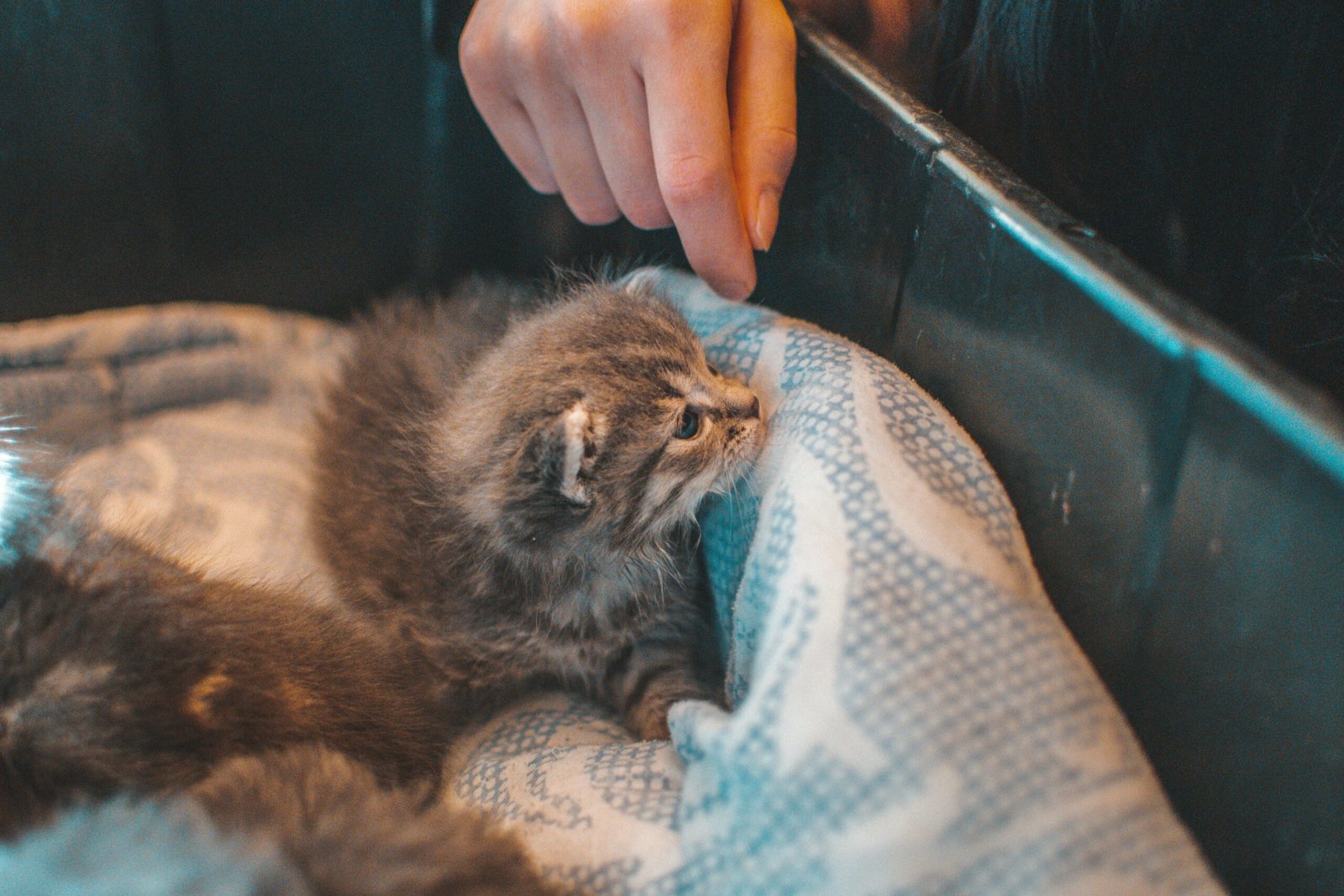
- First year of a cat’s life = 15 human years
- Second year of a cat’s life = 9 human years (making a two-year-old cat equivalent to a 24-year-old human)
- Each subsequent year = 4 human years
This new scientific consensus provides a much more accurate picture of a cat’s developmental stages, from mischievous kitten to dignified senior.
An Accurate Cat Years to Human Years Calculator
To make this calculation easier, here is a simple guide to help you convert your cat’s age:
- 1 year old: 15 human years
- 2 years old: 24 human years
- 3 years old: 28 human years
- 4 years old: 32 human years
- 5 years old: 36 human years
- 6 years old: 40 human years
- 7 years old: 44 human years
- 8 years old: 48 human years
- 9 years old: 52 human years
- 10 years old: 56 human years
- 11 years old: 60 human years
- 12 years old: 64 human years
- 13 years old: 68 human years
- 14 years old: 72 human years
- 15 years old: 76 human years
- 20 years old: 96 human years
This calculator gives you a better sense of your cat’s life stage and allows you to adjust their diet, exercise, and veterinary care accordingly. Understanding your cat’s age in human terms can help you be a more attentive and responsible owner. This accurate calculation of cat years to human years is a valuable tool.
Does Breed Make a Difference in Cat Aging?
While the general formula for cat years to human years applies to most felines, there is some evidence to suggest that breed can play a role in lifespan and aging. While research is ongoing, some breeds are known for being particularly long-lived, while others may be prone to certain health issues that can affect their longevity.
- Shorthair Cats: Domestic Shorthairs and other common mixed-breed cats are generally known for their hardiness and often have long lifespans, averaging around 12-15 years, and sometimes living into their late teens or early twenties.
- Siamse Cats: This breed is known for its long lifespan, with many Siamese cats living well into their late teens.
- Maine Coon Cats: As one of the largest domestic cat breeds, Maine Coons typically live for 10-15 years.
- Ragdoll Cats: These gentle giants are also known for having a good lifespan, often living for 15 years or more.
It’s important to note that these are generalizations, and a cat’s individual health, diet, and lifestyle are the most significant factors in determining its longevity. Regular veterinary check-ups and a healthy lifestyle will always contribute more to a long life than breed alone. The conversion of cat years to human years is still a great general guide.
Why is Understanding Your Cat’s Age So Important?
Knowing your cat’s age in human terms is more than just a fun fact. It helps you anticipate their needs at different stages of life:
- Kittens (0-1 year old): Equivalent to human childhood and adolescence. They need specialized kitten food, vaccinations, and socialization.
- Adult Cats (3-10 years old): Equivalent to human young and middle-aged adults. They are at their peak and require balanced nutrition and regular check-ups.
- Senior Cats (11+ years old): Equivalent to human seniors. They may require specialized senior diets, joint supplements, and more frequent veterinary visits to monitor for age-related health issues like kidney disease, arthritis, and dental problems.
Understanding this conversion from cat years to human years is essential for providing the best possible care for your pet throughout their life.

Conclusion
The concept of cat years to human years is a way for us to better connect with our pets and understand their life journey. While the old “seven-year rule” is an outdated myth, the new, more accurate formula provides a valuable guide. By using this calculator and paying attention to your cat’s individual health and breed, you can ensure they receive the best care at every stage of their life, leading to a happy and healthy companion for many years to come. This new method of calculating cat years to human years is a crucial step towards better pet care.
Sources:
- American Animal Hospital Association (AAHA) and American Association of Feline Practitioners (AAFP) Feline Life Stage Guidelines.
- Drs. Foster & Smith, “Cat Years to Human Years.”
- PetMD, “Cat Age Calculator: How Old is Your Cat in Human Years?”