
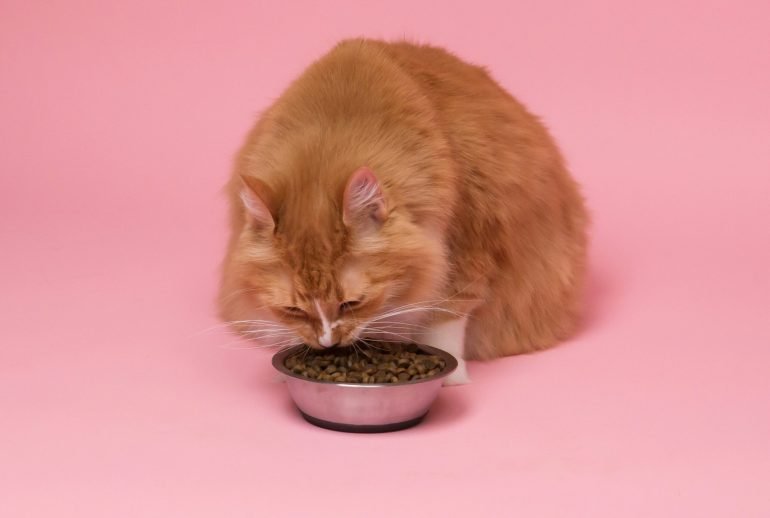
Deciding how much to feed a kitten is one of the most crucial responsibilities for a new cat owner. These tiny, energetic furballs have specific nutritional needs that are vital for their rapid growth and development into healthy, strong adult cats. Unlike mature cats, a kitten’s dietary requirements change dramatically during their first year of life. This comprehensive guide will walk you through the ins and outs of kitten nutrition, providing detailed advice on feeding schedules, portion sizes by age and weight, and the great debate between wet and dry food.
Understanding the unique dietary needs of a growing feline is the first step in determining how much to feed a kitten. Kittens require a diet rich in protein to support the development of their muscles, organs, and bones. Fats are another essential component, providing a concentrated source of energy for their playful antics and aiding in the absorption of fat-soluble vitamins. Additionally, kittens need a precise balance of vitamins and minerals, such as calcium and phosphorus, to ensure proper skeletal growth. Commercial kitten food is specially formulated to provide these nutrients in the correct ratios, making it the ideal choice for your new companion.
Feeding Newborn Kittens: The First Four Weeks
For the first few weeks of life, a kitten’s mother provides the perfect nourishment. Mother’s milk is packed with all the necessary antibodies and nutrients for a healthy start. However, if you find yourself caring for an orphaned newborn, you will need to step in with a suitable kitten milk replacer. It is critical to never give a kitten cow’s milk, as it can cause severe digestive upset.
During this delicate phase, the question of how much to feed a kitten is a matter of frequent, small meals. A newborn kitten will need to be bottle-fed every two to three hours, around the clock. A general guideline is to provide about 2 tablespoons (30 ml) of formula for every 4 ounces (115 grams) of body weight per day, divided into the appropriate number of feedings.
Weaning and Beyond: Four Weeks to Six Months
At around four weeks of age, the weaning process can begin. This is a gradual transition from milk or formula to solid food. Start by introducing a small amount of wet kitten food mixed with their formula to create a soupy gruel. As they become accustomed to this new food, you can gradually decrease the amount of formula until they are eating solid food entirely. This is a key stage where understanding how much to feed a kitten in this transitional phase is vital for their digestive health.
From two to six months of age, kittens are in a period of intense growth. They have seemingly boundless energy and require a significant number of calories to fuel their development. During this time, it is generally recommended to feed them three to four meals a day. Free-feeding, or leaving a bowl of dry kitten food out at all times, can be a good option for some kittens, allowing them to eat when they are hungry. However, this can make it more challenging to monitor their intake and can potentially lead to overeating in some individuals.
So, precisely how much to feed a kitten during this growth spurt? A good starting point is to follow the feeding guidelines on the kitten food packaging. These recommendations are typically based on the kitten’s age and weight. As a general rule, a kitten at three months of age may require around 200 calories per day, while a six-month-old may need closer to 250-280 calories.
A Detailed Kitten Feeding Chart by Age and Weight
To provide a clearer picture of how much to feed a kitten, here is a sample feeding chart. Remember that this is a general guide, and individual needs may vary based on breed, activity level, and the specific food you are using.
| Age | Average Weight | Daily Feeding Amount (Wet Food – 5.5 oz can) | Daily Feeding Amount (Dry Food – cups) | Feeding Frequency |
| 4-6 weeks | 1-1.5 lbs | Begin with 1/4 – 1/2 can | Begin with 1/8 – 1/4 cup | 4-5 small meals of gruel |
| 2 months | 2 lbs | 1/2 – 1 can | 1/4 – 1/3 cup | 4 meals |
| 3 months | 3 lbs | 1 – 1.5 cans | 1/3 – 1/2 cup | 3-4 meals |
| 4 months | 4-5 lbs | 1.5 – 2 cans | 1/2 – 2/3 cup | 3 meals |
| 5 months | 5-6 lbs | 2 – 2.5 cans | 2/3 – 3/4 cup | 3 meals |
| 6 months | 6-7 lbs | 2.5 – 3 cans | 3/4 – 1 cup | 2-3 meals |
Monitoring your kitten’s body condition is just as important as knowing how much to feed a kitten. You should be able to feel their ribs with a slight covering of fat, and they should have a visible waistline when viewed from above.

The Great Debate: Wet vs. Dry Food
When considering how much to feed a kitten, the type of food you choose is a significant factor. Both wet and dry kitten food have their own set of benefits.
Wet Food:
- High Moisture Content: This is excellent for keeping your kitten hydrated and can be beneficial for urinary tract health.
- Palatability: Many kittens find the aroma and texture of wet food more appealing.
- Easier for Young Kittens: The soft texture is easier for kittens with developing teeth to manage.
Dry Food (Kibble):
- Convenience: Dry food can be left out for longer periods, which is ideal for free-feeding.
- Dental Health: The crunchy texture can help to reduce plaque and tartar buildup.
- Cost-Effective: Generally, dry food is more budget-friendly than wet food.
Many veterinarians and feline nutritionists recommend a mixed-feeding approach. This involves providing both wet and dry food, which can give your kitten the benefits of both. For example, you could offer wet food for their main meals and leave a measured amount of dry food out for them to graze on during the day. This balanced approach helps to address the question of how much to feed a kitten while providing them with a varied and enjoyable diet.
From Six Months to One Year: The Adolescent Cat
As your kitten approaches six months of age, their growth rate will begin to slow down. At this point, you can typically reduce their feeding frequency to two to three meals per day. It is still crucial to feed them a high-quality kitten formula until they reach their first birthday, as they are still developing and require the extra nutrients. The question of how much to feed a kitten during this stage involves adjusting portion sizes to prevent them from becoming overweight as their caloric needs decrease.
Transitioning to Adult Cat Food
Around their first birthday (or later for larger breeds like Maine Coons), it’s time to transition your kitten to adult cat food. This should be done gradually over a period of 7-10 days to avoid digestive upset. Start by mixing a small amount of the new adult food with their kitten food, and gradually increase the proportion of the new food each day.
Here is a sample transition schedule:
- Days 1-2: 75% kitten food, 25% adult food
- Days 3-4: 50% kitten food, 50% adult food
- Days 5-6: 25% kitten food, 75% adult food
- Day 7 onwards: 100% adult food
The Importance of Fresh Water
No discussion about how much to feed a kitten would be complete without emphasizing the importance of fresh water. Dehydration can be dangerous for cats of all ages. Ensure your kitten has access to a clean bowl of fresh water at all times. Some kittens are particularly drawn to running water, so a cat water fountain can be a great way to encourage them to drink more.
Signs of a Healthy Diet
When you get the balance of how much to feed a kitten right, the results will be evident in their appearance and behavior. A well-nourished kitten will have:
- A healthy, glossy coat
- Bright, clear eyes
- Plenty of energy for play
- A consistent and healthy weight gain
- Well-formed, non-odorous stools
If you have any concerns about your kitten’s growth or eating habits, it is always best to consult with your veterinarian. They can provide personalized advice on how much to feed a kitten based on their specific needs and help you navigate any challenges that may arise.
In conclusion, understanding how much to feed a kitten is a journey that evolves as your pet grows. By providing a high-quality, age-appropriate diet in the right quantities, you are laying the foundation for a long, healthy, and happy life for your feline companion. Remember to pay close attention to your kitten’s individual needs and body condition, and you will be well on your way to raising a thriving adult cat.