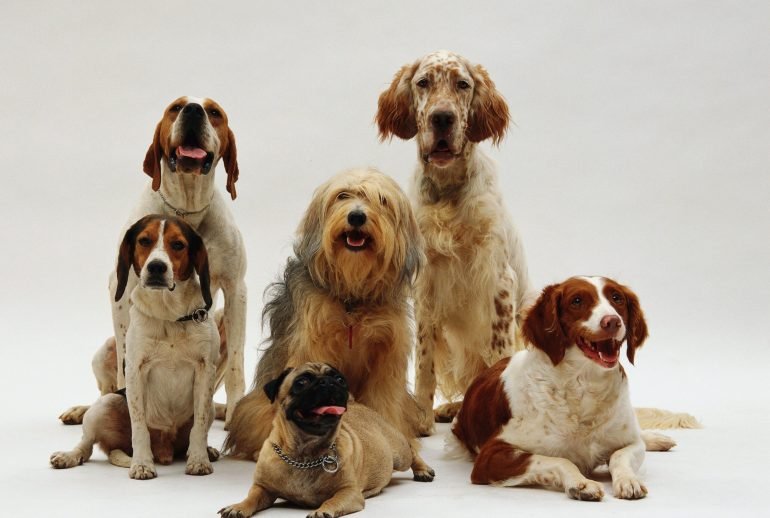
When you look at the vast world of canine breeds, from the tiny Chihuahua to the massive Great Dane, it can seem overwhelming. However, for professional breeders and kennel clubs like the AKC (American Kennel Club), these breeds aren’t just a random list; they are organized into specific categories based on their original purpose, temperament, and physical traits. Understanding the 7 types of dog groups is essential for anyone looking to breed, show, or simply find the perfect pet that matches their lifestyle.
Why Do We Categorize Dogs into Groups?
The classification of dogs isn’t just for shows. Historically, dogs were bred to perform specific tasks—whether it was hunting, herding, or guarding. By categorizing them into the 7 types of dog groups, we can predict a dog’s energy levels, instinctual behaviors, and even potential health predispositions. For a breeder, this knowledge is power; it allows for better matchmaking between a puppy and its future home.
1. The Sporting Group
The first of the 7 types of dog groups consists of dogs bred to assist hunters in the field. These dogs are natural athletes and usually love the water.
-
Traits: High energy, extremely intelligent, and very trainable. They require significant daily exercise.
-
Popular Breeds: Labrador Retriever, Golden Retriever, German Shorthaired Pointer, and Cocker Spaniel.
-
Best For: Active families and professional hunters.
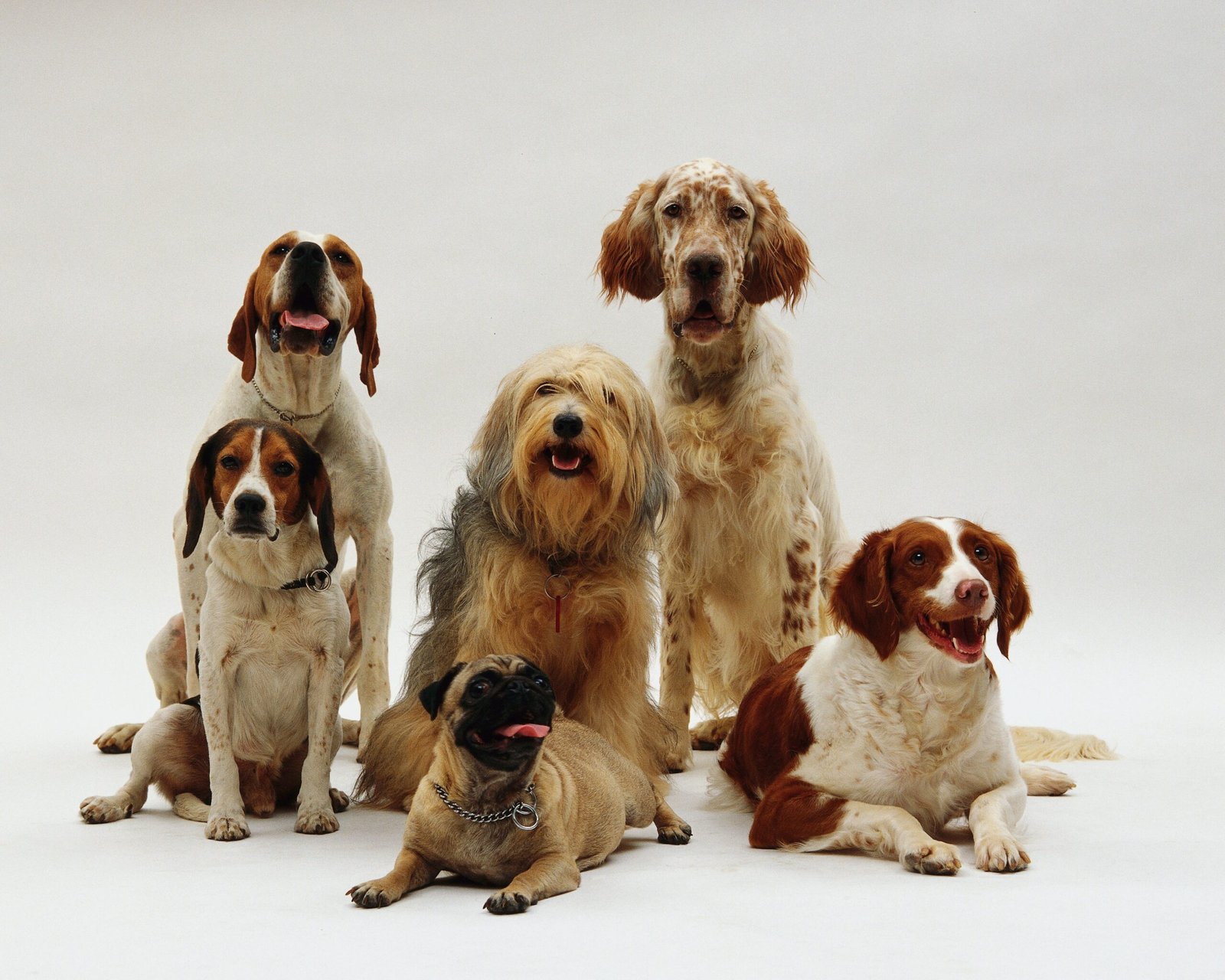
7 types of dog groups
2. The Hound Group
Hounds share a common ancestral trait: they were bred for hunting by scent or sight. This group is perhaps the most diverse in terms of size and shape within the 7 types of dog groups.
-
Traits: Scent hounds have an incredible sense of smell, while sight hounds are built for speed. Many hounds have a unique “baying” bark.
-
Popular Breeds: Beagle, Greyhound, Bloodhound, and Dachshund.
-
Breeder Tip: Hounds can be independent and sometimes stubborn, as they are often focused on a “trail.”
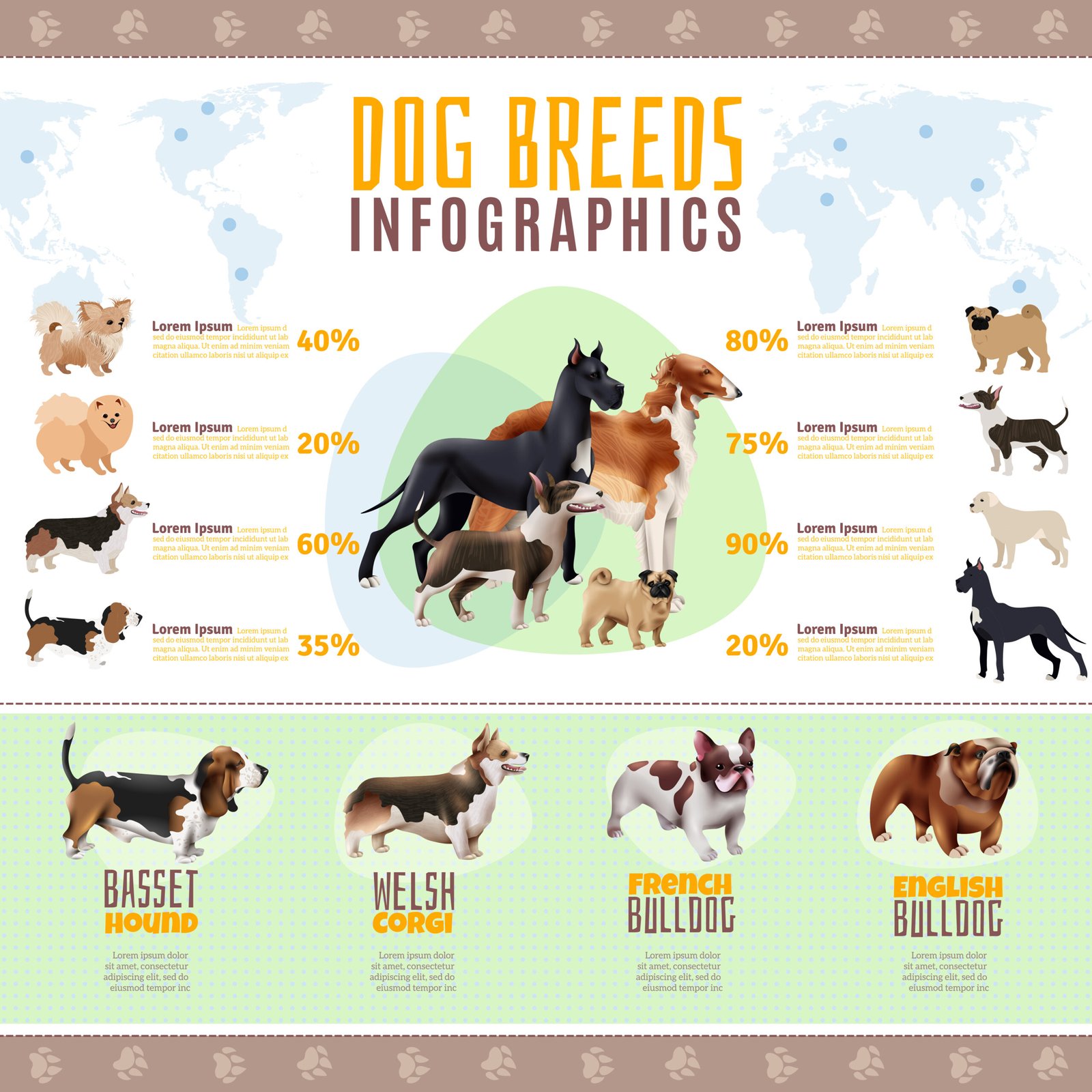
7 types of dog groups
3. The Working Group
Dogs in the Working Group are the “blue-collar” workers of the canine world. Within the 7 types of dog groups, these are the protectors and rescuers.
-
Traits: Large, strong, and highly alert. They were bred for tasks like guarding property, pulling sleds, or performing water rescues.
-
Popular Breeds: Boxer, Great Dane, Rottweiler, and Siberian Husky.
-
Important Note: Because of their size and protective instincts, they require proper socialization and firm training from a young age.
4. The Terrier Group
Terriers were originally bred to hunt and kill vermin (rats, foxes, and badgers). They are the “feisty” members of the 7 types of dog groups.
-
Traits: High spirit, energetic, and often “argumentative” with other dogs. They have a distinctive wiry coat that often requires special grooming.
-
Popular Breeds: Jack Russell Terrier, Scottish Terrier, and Bull Terrier.
-
Best For: Owners who enjoy a dog with a big personality and don’t mind a bit of digging.
5. The Toy Group
While they may be small, the dogs in the Toy Group have huge hearts. This category of the 7 types of dog groups is focused primarily on companionship.
-
Traits: Small size, making them ideal for apartment living. They are incredibly affectionate and often “lap dogs.”
-
Popular Breeds: Chihuahua, Pomeranian, Pug, and Cavalier King Charles Spaniel.
-
Breeder Tip: Despite their size, they are still dogs! They need training just as much as a large breed to avoid “Small Dog Syndrome.”
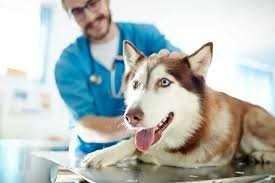
7 types of dog groups
6. The Non-Sporting Group
The Non-Sporting Group is the most varied category. It serves as a home for breeds that don’t quite fit into the other 7 types of dog groups but are still recognized as distinct, standardized breeds.
-
Traits: Extremely diverse. These dogs vary greatly in size, coat type, and personality.
-
Popular Breeds: Bulldog, Poodle, Dalmatian, and Chow Chow.
-
Why they are unique: Their roles have shifted over time—for example, the Poodle was once a water retriever, but is now primarily a companion and show dog.
7. The Herding Group
Last but certainly not least in the 7 types of dog groups is the Herding Group. Created in 1983, this group consists of dogs that have an instinctual ability to control the movement of other animals.
-
Traits: Highly intelligent and need a “job” to do. If they aren’t herding sheep, they might try to “herd” your children or other pets!
-
Popular Breeds: German Shepherd, Border Collie, Australian Shepherd, and Corgi.
-
Best For: Owners who can provide mental stimulation and active engagement.
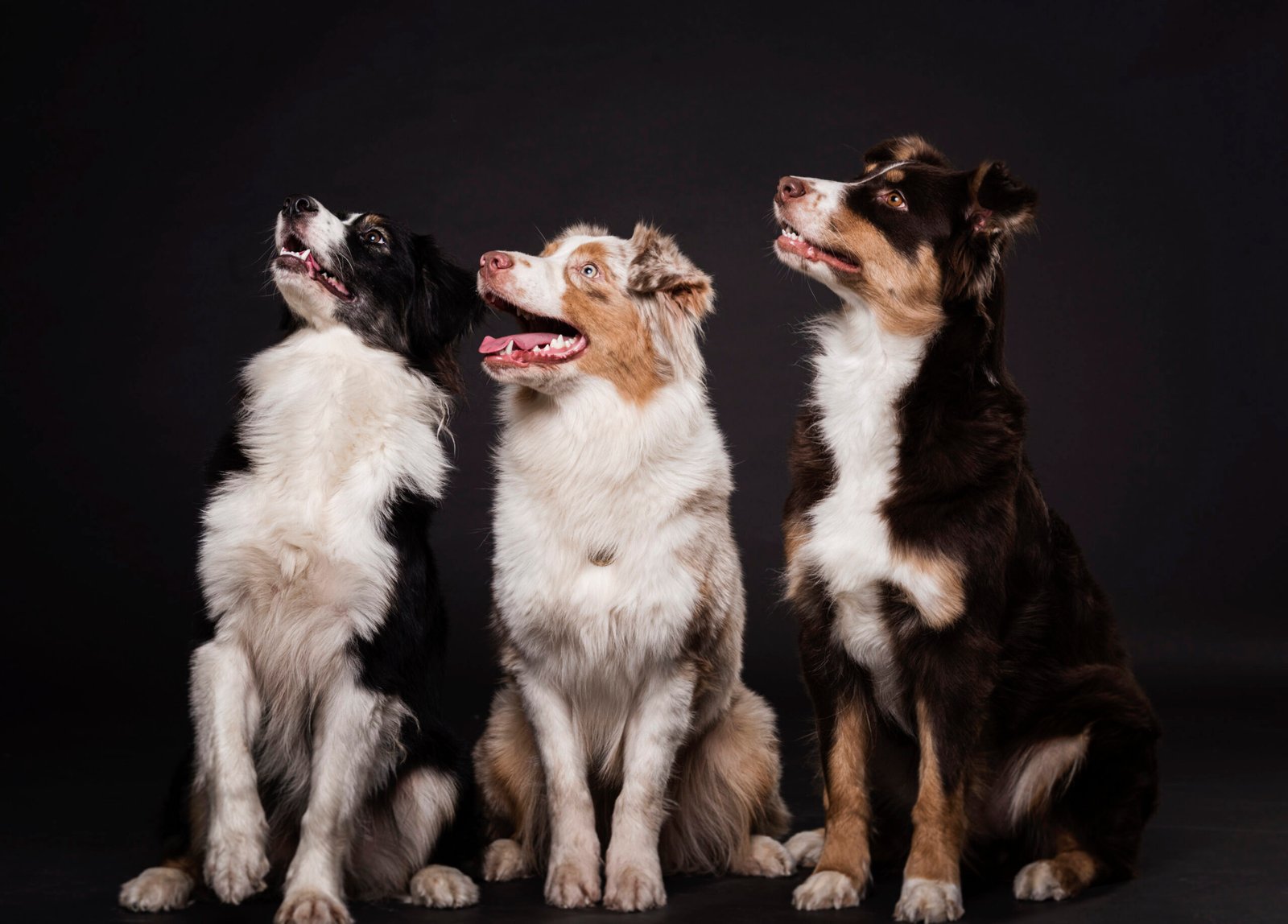
7 types of dog groups
How to Use This Knowledge for Breeding
When you understand the 7 types of dog groups, you can better communicate with potential buyers. For example, if someone living in a small apartment wants a Working Group dog, you can explain the challenges and suggest a Toy or Non-Sporting breed instead. As a member of the Pet Breeding Club, your goal is to ensure the perfect match between the breed’s ancestral purpose and the owner’s modern lifestyle.
Conclusion
The 7 types of dog groups provide a roadmap for understanding the complex world of dogs. Whether you are focused on the athleticism of the Sporting Group or the intelligence of the Herding Group, recognizing these categories will make you a more informed and professional breeder.