
Understanding dog heat cycles is the cornerstone of successful and responsible pet breeding. For a professional breeder, the heat cycle (scientifically known as the estrous cycle) is not just a biological event; it is a meticulously timed window that dictates the health of the mother and the quality of the future litter. Whether you are managing your first tie or are an experienced breeder, mastering the nuances of each stage is essential for a safe and productive breeding program.

What are Dog Heat Cycles?
In simple terms, dog heat cycles are the recurring physiological changes induced by reproductive hormones in female dogs. Unlike humans, dogs do not have a monthly cycle; instead, they typically go into heat twice a year, though this frequency can vary significantly depending on the breed and individual health factors.
For a breeder, recognizing the onset of these cycles is critical. Missing the window or breeding at the wrong time can lead to unsuccessful attempts, or worse, health complications for the Dam.
The Four Stages of the Dog Heat Cycle
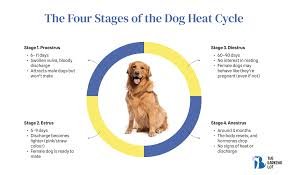
To manage a breeding program effectively, you must understand that dog heat cycles are divided into four distinct stages. Each stage has its own physical signs and behavioral changes.
1. Proestrus: The Beginning
Proestrus is the first stage of the cycle, lasting anywhere from 7 to 10 days. During this time, the female is not yet fertile, although she will start to attract males.
-
Physical Signs: Swelling of the vulva and a blood-tinged vaginal discharge.
-
Behavior: She may become more clingy or, conversely, aggressive toward males who try to mount her.
-
Breeder Tip: This is the time to start “tracking” the cycle in your records and preparing your breeding facility.
2. Estrus: The Fertile Window
This is the most critical stage of dog heat cycles for breeding. Estrus is when the female is receptive to the male and ovulation occurs.
-
Duration: Usually 5 to 10 days.
-
Physical Signs: The discharge often changes from bright red to a straw-colored pink. The vulva becomes softer.
-
The “Flagging” Behavior: When the tail is moved to the side to allow for mating.
-
Breeder Tip: Professional breeders often use “Progesterone Testing” during this stage to pin-point the exact day of ovulation for maximum success.
3. Diestrus: The Post-Fertile Period
Whether or not the dog has become pregnant, she enters Diestrus. This stage lasts about 60 to 90 days.
-
Hormonal Changes: Progesterone levels remain high to support a potential pregnancy.
-
Signs: The vulvar swelling disappears, and the discharge stops.
-
Breeder Tip: If breeding was successful, this is when you monitor for early signs of pregnancy and adjust nutrition.
4. Anestrus: The Resting Phase
Anestrus is the longest part of dog heat cycles, lasting between 4 to 5 months. It is the period of sexual and hormonal rest before the next cycle begins.
-
Importance: This stage allows the uterus to heal and recover, ensuring the Dam is strong enough for the next potential litter.
dog heat cycles
Tracking and Managing Dog Heat Cycles
A professional breeding operation relies on data. You cannot leave dog heat cycles to chance.
Expert Insight: Keep a dedicated logbook for every female in your kennel. Record the start dates of proestrus, the intensity of the discharge, and any behavioral shifts. Over time, you will notice patterns that are unique to each dog.
Tools for Tracking:
-
Vaginal Cytology: Examining cells under a microscope to determine the stage of the cycle.
-
Progesterone Blood Tests: The “Gold Standard” for breeders to identify the precise breeding window.
-
Calendar Tracking: Essential for predicting when the next cycle will occur.
Common Challenges During Dog Heat Cycles
Not every cycle is textbook. Professional breeders must be prepared for irregularities:
-
Silent Heat: When a dog goes through the hormonal changes of a cycle without the typical physical signs (like bleeding).
-
Split Heat: The dog starts proestrus, stops, and then starts again a few weeks later.
-
Irregular Cycles: Common in young females or those with underlying health issues like thyroid problems.
If you encounter these issues while managing dog heat cycles, it is vital to consult with a reproductive veterinarian (Theriogenologist) to rule out health complications.
Nutrition and Care During the Cycle
A dog’s body undergoes significant stress during dog heat cycles. To ensure the best outcomes:
-
Increase Caloric Quality: Provide high-quality, protein-rich food.
-
Maintain Hygiene: Keep the area clean to prevent infections like Pyometra (a life-threatening uterine infection).
-
Safety First: Always keep a female in heat in a secure, fenced area. Male dogs can smell a female in heat from miles away and will go to extreme lengths to reach her.
dog heat cycles
Breeding Ethics and Timing
Just because a female is in heat doesn’t mean she should be bred. Responsible breeding means ensuring the Dam is at least two years old (to ensure physical and mental maturity) and has passed all necessary health clearances. Understanding dog heat cycles is a tool for improvement, not just reproduction.
Summary for the Professional Breeder
-
Monitor the Proestrus stage closely.
-
Test progesterone levels during Estrus.
-
Record everything to predict future dog heat cycles.
-
Prioritize the health and recovery of the Dam above all else.
By mastering the science of the heat cycle, you ensure the longevity of your breeding line and the health of the puppies you bring into the world.