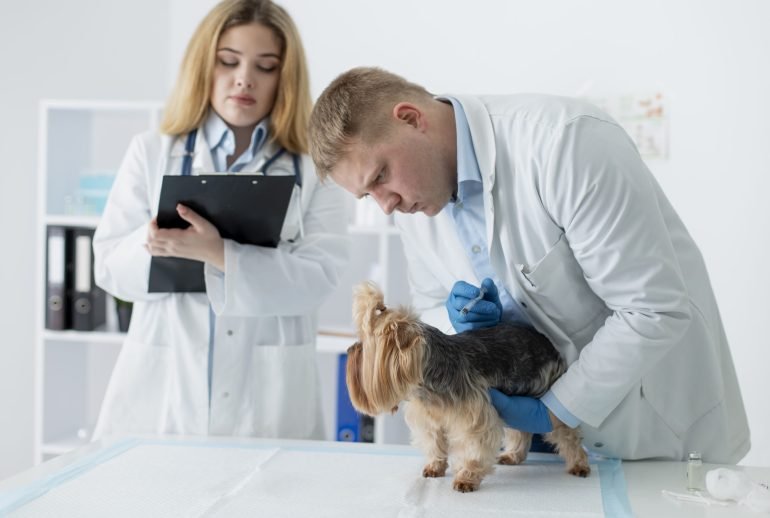
Pre-breeding health tests are the cornerstone of any ethical and professional breeding program, acting as the primary line of defense against hereditary diseases and structural deformities. For the modern breeder, the transition from being a hobbyist to a respected professional begins with a commitment to science. The health of a future litter is determined long before the mating takes place; it is decided in the laboratory, through diagnostic imaging, and via DNA sequencing. When we discuss the longevity and vitality of a breed, we are essentially discussing the rigor with which a breeder applies these screenings to their sire and dam.
The Evolution of Responsible Breeding
Years ago, breeding was often based on “phenotype” alone—if a dog looked healthy and moved well, it was considered fit for reproduction. However, modern veterinary science has revealed that many devastating conditions are “recessive,” meaning a perfectly healthy-looking dog can carry the genetic blueprint for a crippling disease. This is why pre-breeding health tests have become the industry standard. They allow breeders to peer into the genetic future of their bloodlines, ensuring that only the most robust traits are passed down to the next generation.
By implementing a strict protocol of pre-breeding health tests, you are not just protecting the puppies; you are protecting your reputation, your financial investment, and the families who will eventually welcome these animals into their homes. A breeder who can provide certified clearances for hips, eyes, heart, and DNA is a breeder who operates with transparency and integrity.
1. Genetic Screening and DNA Panels
The first step in any comprehensive checklist is the DNA panel. Genetic science has advanced to the point where a simple cheek swab can screen for over 200 different mutations. These pre-breeding health tests identify “carriers” of diseases like Progressive Retinal Atrophy (PRA), Degenerative Myelopathy (DM), and von Willebrand’s Disease.
It is important to understand that being a “carrier” does not always mean a dog should be removed from a breeding program. In many cases, a carrier can be safely bred to a “clear” partner, ensuring that the puppies will not be “affected” by the disease. This nuance is why understanding the results of your pre-breeding health tests is just as important as performing them. Without these results, you are essentially gambling with the lives of the animals you produce.
2. Orthopedic Clearances: Hips, Elbows, and Patellas
Structural soundness is perhaps the most visible aspect of a dog’s health, yet it is often the most prone to failure in certain breeds. Large and giant breeds are particularly susceptible to hip and elbow dysplasia, while toy breeds often suffer from luxating patellas (slipping kneecaps). To combat this, pre-breeding health tests must include orthopedic evaluations.
In the United States, the Orthopedic Foundation for Animals (OFA) is the leading body for these certifications. A professional breeder will wait until a dog is at least 24 months old to get “final” hip clearances, as the joints must be fully developed for an accurate reading. Some breeders also utilize PennHIP, which measures joint laxity (looseness) and provides a scientific prediction of the likelihood of developing osteoarthritis. Regardless of the method, these pre-breeding health tests provide a clear “Pass” or “Fail” that takes the guesswork out of structural selection.
3. Vital Organ Evaluations: Cardiac and Thyroid
A dog can have perfect hips and a clear DNA panel but still suffer from a hidden heart condition. Cardiac health is a critical component of the pre-breeding health tests protocol, especially for breeds like Dobermans, Boxers, and Cavalier King Charles Spaniels.
A veterinary cardiologist should perform an auscultation to listen for murmurs, and in many cases, an echocardiogram is recommended to ensure the heart valves and chambers are functioning correctly. Similarly, thyroid issues are common in many breeds and can lead to infertility or poor coat quality. Including thyroid panels in your pre-breeding health tests ensures that the dam is hormonally capable of carrying a healthy litter to term and that the sire is not passing on autoimmune thyroiditis.
4. The “Silent Killer”: Canine Brucellosis
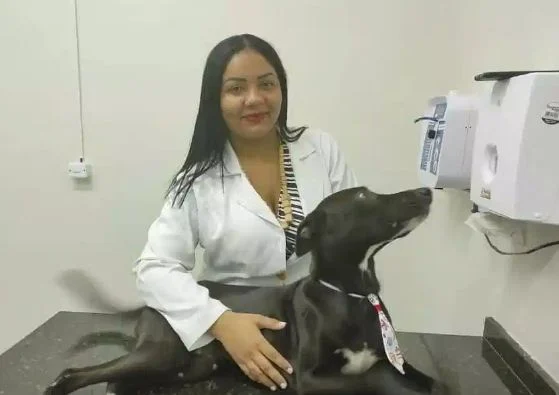
While genetic and structural tests focus on the long-term health of the breed, some tests are designed to ensure the immediate success of a mating. Brucellosis is a highly contagious bacterial infection that is a nightmare for breeding kennels. It can cause late-term abortions, stillbirths, and permanent infertility in both males and females.
Because it is often asymptomatic, it is referred to as a silent killer. Therefore, performing pre-breeding health tests for Brucellosis is mandatory before every single natural tie or fresh AI. Even if both dogs are “resident” in your kennel, regular screening is vital because the bacteria can be spread through various bodily fluids. No professional breeder should ever allow a mating to occur without a recent negative Brucellosis certificate.
5. Ocular Health and the CAER Exam
The eyes are the windows to a dog’s genetic health. Many hereditary eye diseases do not manifest until later in life, often after a dog has already been bred. This is why annual eye exams, known as CAER (Companion Animal Eye Registry) exams, are essential pre-breeding health tests.
Performed by a board-certified veterinary ophthalmologist, these exams look for cataracts, glaucoma, and retinal folds. Unlike DNA tests, which are done once in a lifetime, eye exams must be repeated annually because the status of a dog’s ocular health can change as they age. Maintaining a current “Clear” eye status is a hallmark of a dedicated breeding program.
6. Why Breed-Specific Testing Matters
Not all dogs require the same set of diagnostics. A professional breeder knows that a Great Dane and a Chihuahua have vastly different health risks. For example, a Great Dane breeder will focus heavily on cardiac and orthopedic health, while a Chihuahua breeder might prioritize patella scores and dental health.
When designing your list of pre-breeding health tests, you should consult the Parent Club for your specific breed. Most national breed clubs have a “Minimum Health Requirement” list. Following these guidelines ensures that you are meeting the highest standards set by experts who have studied the breed for decades. These pre-breeding health tests are tailored to the specific vulnerabilities of the lineage you are working to preserve.
7. The Financial Logic: ROI for Breeders
Some breeders hesitate to perform extensive testing due to the high upfront costs. X-rays, DNA kits, and specialist consultations can easily reach $1,000 to $2,000 per dog. However, the financial return on investment (ROI) is undeniable.
Puppies from parents with documented pre-breeding health tests command a significantly higher market price. Buyers in 2026 are more educated than ever; they are looking for “Health Tested Parents” as a primary search filter. Furthermore, the cost of one refunded puppy or one legal dispute due to a hereditary defect can far exceed the cost of all the tests combined. Investing in pre-breeding health tests is, quite literally, an insurance policy for your business.
8. Preparing for the Vet Visit: A Step-by-Step Guide
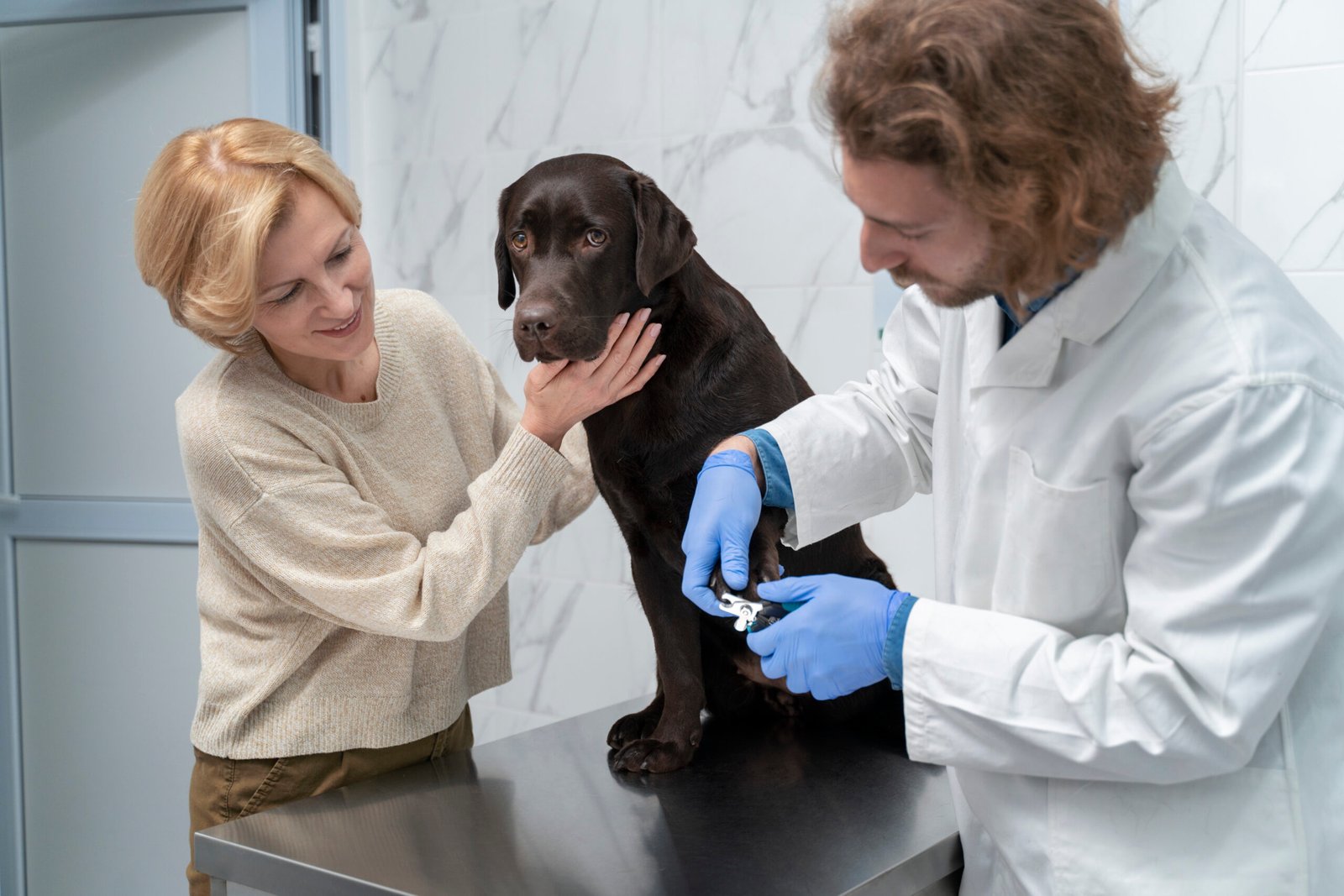
To get the most out of your veterinary appointments, you must be organized. Before heading to the clinic for your pre-breeding health tests, ensure your dog is microchipped. Most registries, like the OFA, will not accept results unless the dog’s identity is verified by a chip or tattoo at the time of the exam.
Bring all pedigree paperwork and previous health records. If you are doing orthopedic X-rays, the dog will likely need to be sedated to ensure the muscles are relaxed enough for a perfect position. Discuss the “submission” process with your vet—most professional clinics can submit digital files directly to the OFA or other registries on your behalf. Completing these pre-breeding health tests efficiently requires a partnership between you and a veterinarian who understands the world of professional breeding.
Conclusion: The Ethical Mandate
In the world of high-end animal husbandry, there is no room for shortcuts. The transition from producing “litters” to producing “quality” is defined by your commitment to data. By adhering to a rigorous schedule of pre-breeding health tests, you are fulfilling your ethical mandate as a guardian of your breed.
You are ensuring that every puppy you bring into this world has the best possible chance at a life free from pain and disability. You are providing peace of mind to your puppy buyers and building a legacy that will stand the test of time. Ultimately, pre-breeding health tests are the difference between a person who simply multiplies dogs and a “Master Breeder” who improves them.
Sources and References:
-
Orthopedic Foundation for Animals (OFA): Health Testing Requirements by Breed. (www.ofa.org)
-
American Kennel Club (AKC): A Guide to Genetic Testing for Responsible Breeders.
-
VCA Animal Hospitals: Canine Brucellosis: Symptoms, Diagnosis, and Prevention.
-
Journal of Veterinary Internal Medicine: Evaluating the Efficacy of Pre-Breeding Cardiac Screenings in Large Breeds.
-
Cornell University College of Veterinary Medicine: Inherited Eye Diseases in Domesticated Dogs.